sister · health · home
Friday Soup
Lupe showed up with the soup she'd promised, one of my mother's plastic containers and a piece of paper folded in her back pocket. We ate at the kitchen table and compared numbers.
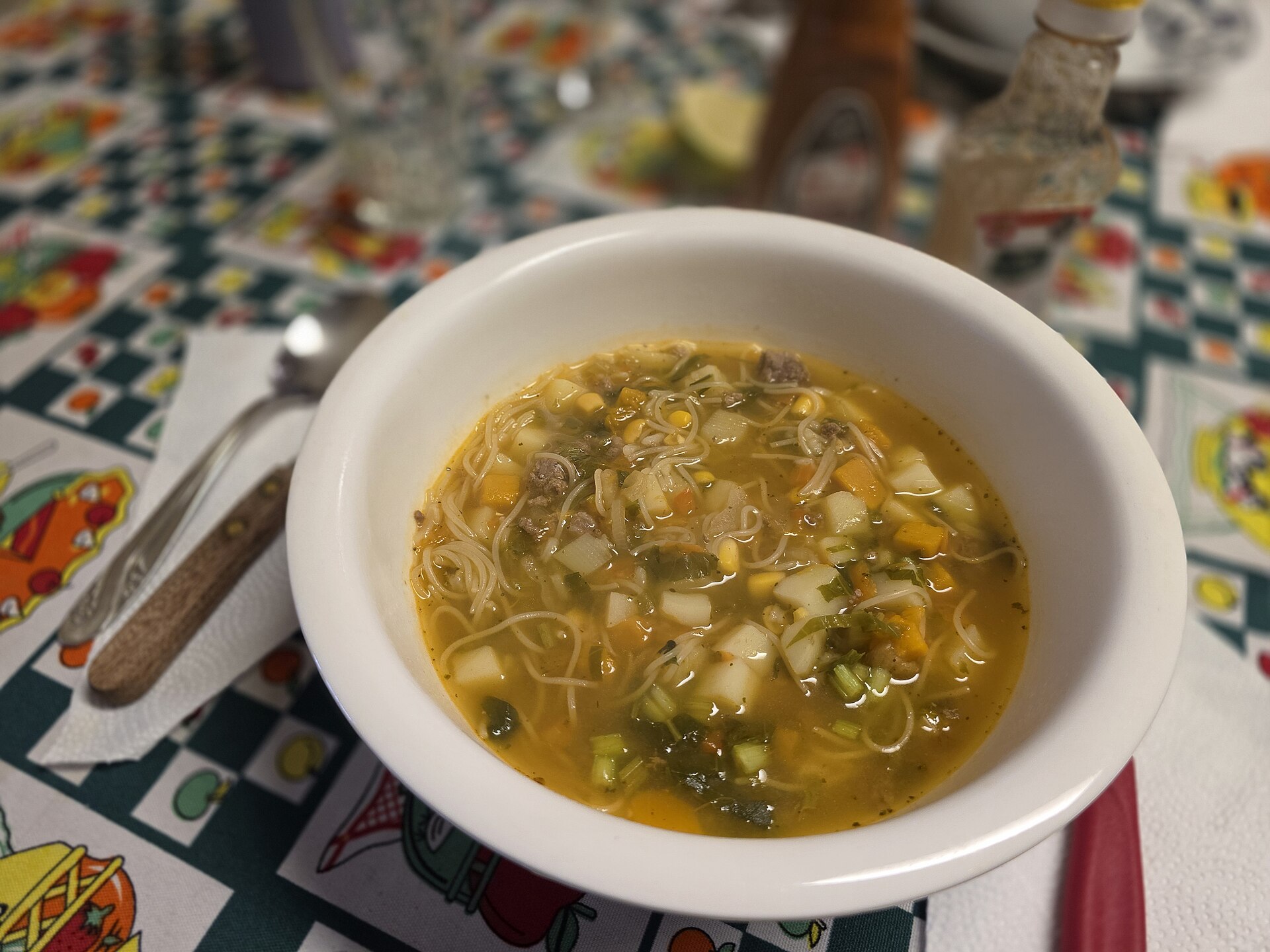
Lupe rang the doorbell at seven twenty, with her elbow, because both hands were full. In one, a woven plastic shopping bag with the container inside. In the other, a paper grocery bag holding something she wouldn't show me at the door. "Open up, I'm going to drop it," she said, and walked straight into the kitchen as if the house were hers, which is how she walks into every house.
The container was my mother's. I knew before I got a good look at it: blue, with a lid slightly paler than the rest because it belongs to another container, and on the lid a strip of masking tape in her retired-schoolteacher handwriting: "RETURN". Just that, no name, because my mother believes every plastic container in the world finds its way back to her. She's been labeling them since 1990. There are containers of hers in half of Guadalajara, in the houses of old friends who've since moved, and she knows where each one is.
"Did you tell her?" I asked. "I told her I felt like soup," Lupe said. "She lent me the container and told me to add zucchini. Didn't even ask who it was for. That worries me more."
Zucchini, chayote, one carrot too many
She heated it up herself. She wouldn't let me near the stove, the same way she wouldn't let me touch anything in the kitchen when we were kids and she was twelve and I was nine and my mother went off to the school meeting. She took out the pozole pot, the same one we used to heat bathwater when the gas ran out, and poured the soup in carefully so it wouldn't splash. It smelled of cilantro and Sunday. Zucchini, chayote, green beans, potato, and a carrot cut into rounds thicker than everything else, which is something Lupe has always done and I have never asked her about.
While it warmed up she opened my fridge. She didn't ask. The fridge sighed, as it always does, and so did Lupe, but differently. She took inventory out loud, like someone reading minutes into the record: "Oatmeal. Nopales. Apples. One frozen fish. Butter. More butter. Half a block of Chihuahua cheese. Cream." She shut the door. "Okay. You're doing fine. Halfway, but you're doing it."
I set the table. Two soup bowls, two spoons, paper napkins folded into triangles, the only fold I know. Last night I ate sitting down, alone, and wrote about it here as if it were an achievement. Tonight there were two of us and the kitchen table looked like a different size.
The folded paper
Halfway through her bowl, Lupe wiped her mouth, reached into her back pocket and took out a sheet of paper folded in four. She set it on the table next to the salt shaker and slid it toward me with one finger, the way you slide over a tip you don't want the other person to see.
It was a lab report. Same lab on Avenida México, same layout, same four columns. Date: August. Total cholesterol: 241.
I looked at her. She looked at me. "I beat you," she said. And then, before I could say anything: "Don't tell Mom."
It turns out that since August she's been taking a pill her doctor prescribed, walking forty minutes in Parque Rojo before she opens the stationery shop, and eating a bowl of this soup almost every day. My mother, who lives with her and has watched her serve herself soup every night since August, has her own theory: that Lupe is dieting for a boyfriend. Lupe hasn't corrected her. She says it's the version that gets her the fewest questions.
I asked why she hadn't told me. She shrugged. "You had the day-of-the-dead bread, the pilgrimage, the altar. I wasn't going to hand you one more number." She said it the way you'd mention a pending item at the office, and I understood that, coming from Lupe, this was a form of care. My sister is the only person I know who hides bad news out of accounting courtesy: so as not to post the charge to someone else's account in a hard month.
The agreement
When we finished, Lupe unpacked the paper bag. Two things: a jar of ground flaxseed, which according to her goes on everything, and a box of De la Rosa peanut marzipans. "The marzipans are mine," she clarified. "For the drive home. Don't get excited."
I washed and she dried, and between plates we made an agreement, which is what we Méndezes do instead of hugging. Tuesdays and Thursdays of the weeks without the girls, we walk together in Parque Rojo at seven in the morning, before she opens the shop and I get to the office. On Saturdays I keep baking, but less: twelve bolillos instead of twenty. And every three months, the lab, together, fasting, and we sit and wait for our number hungry and without complaining, like the old man with the hat.
"And Mom?" I asked. "Mom will find out on her own," Lupe said, "the way she finds out everything, and she'll scold us both at the same time, and that way it comes out cheaper."
She left at nine fifteen. At the door she remembered the container and came back for it, because one of my mother's containers does not spend the night in someone else's house. Sticking out of the woven bag, as well, were two bolillos she'd taken from my bread basket without asking. I said, what about the cholesterol. She said they were for Mom. I didn't believe her. She knew I didn't believe her.
After I locked up, I took out the notebook. Yesterday, under my 232, I'd left an empty line for the next result. I thought about it for a while. Then I wrote on that line, in my straightest handwriting: "Lupe, Aug.: 241". And below it I left two more empty lines, one for each of us.
Keep reading
Fasting
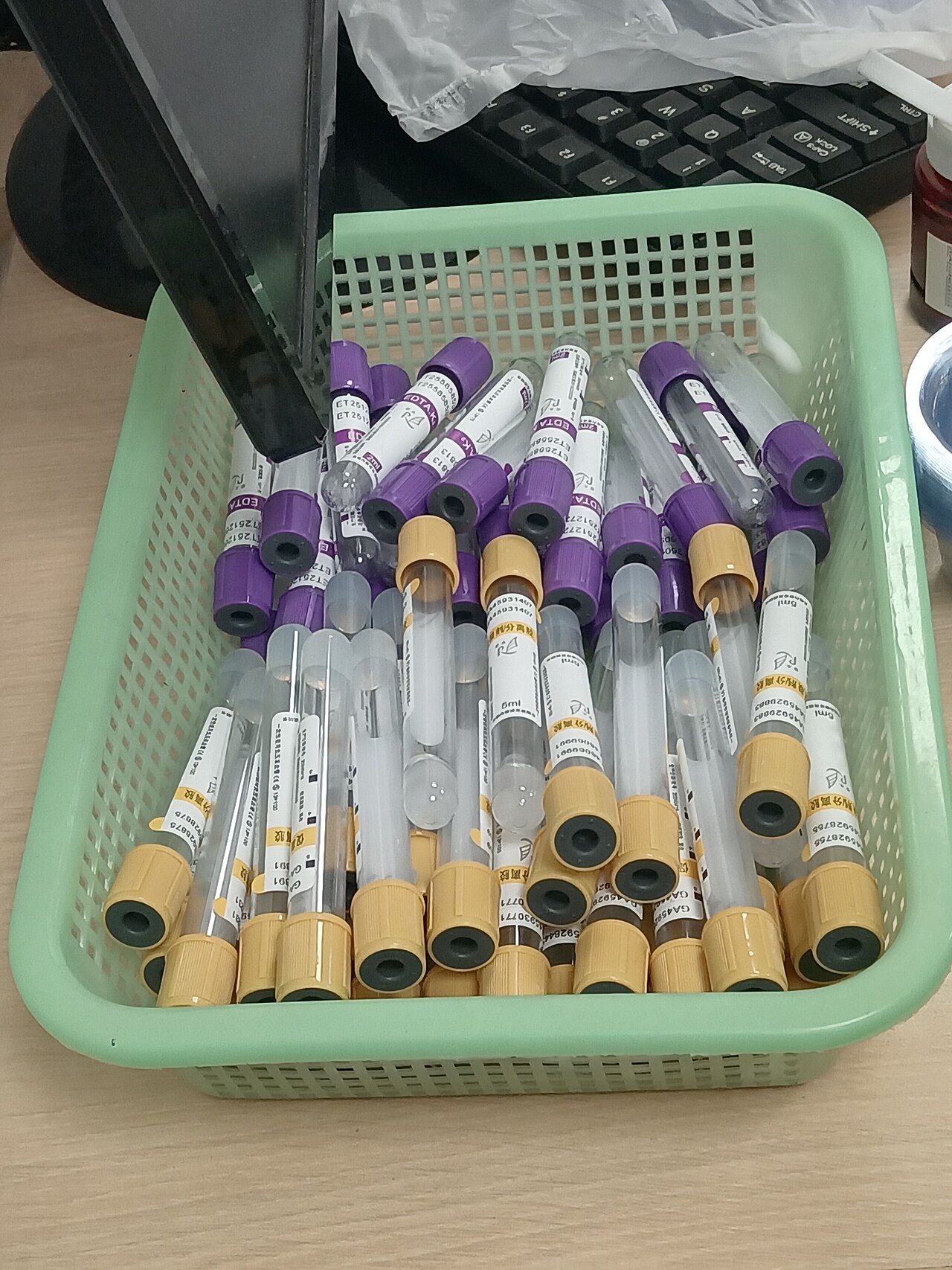
This morning I had blood drawn at seven, twelve hours without food and my yearly checkup overdue since March. The results came by email in the afternoon.
The Wednesday Set Lunch
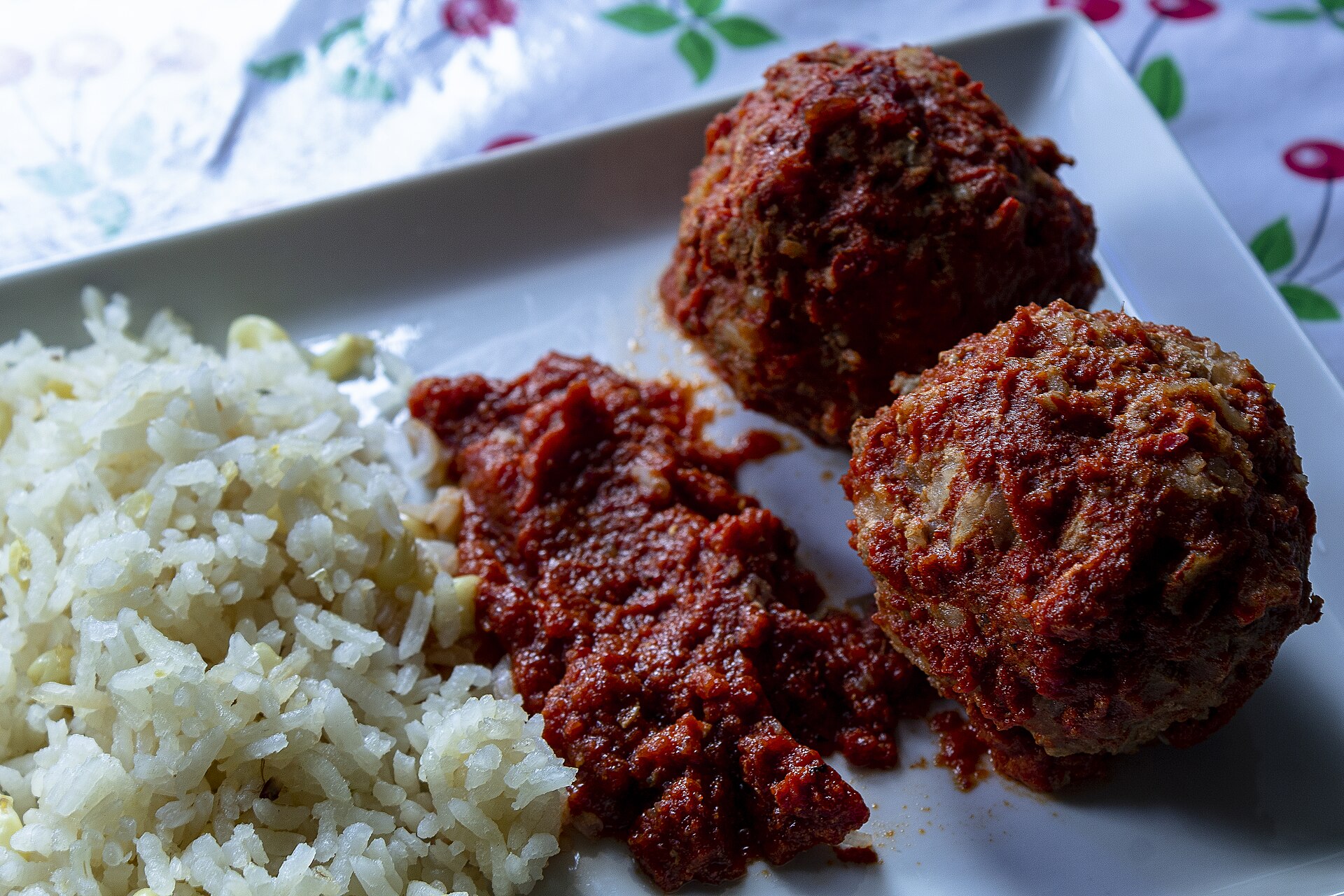
For eleven years I've eaten lunch on Wednesdays at doña Rosa's fonda on Libertad street. Today there was a piece of cardboard taped to the door.
The Trumpet Across the Street
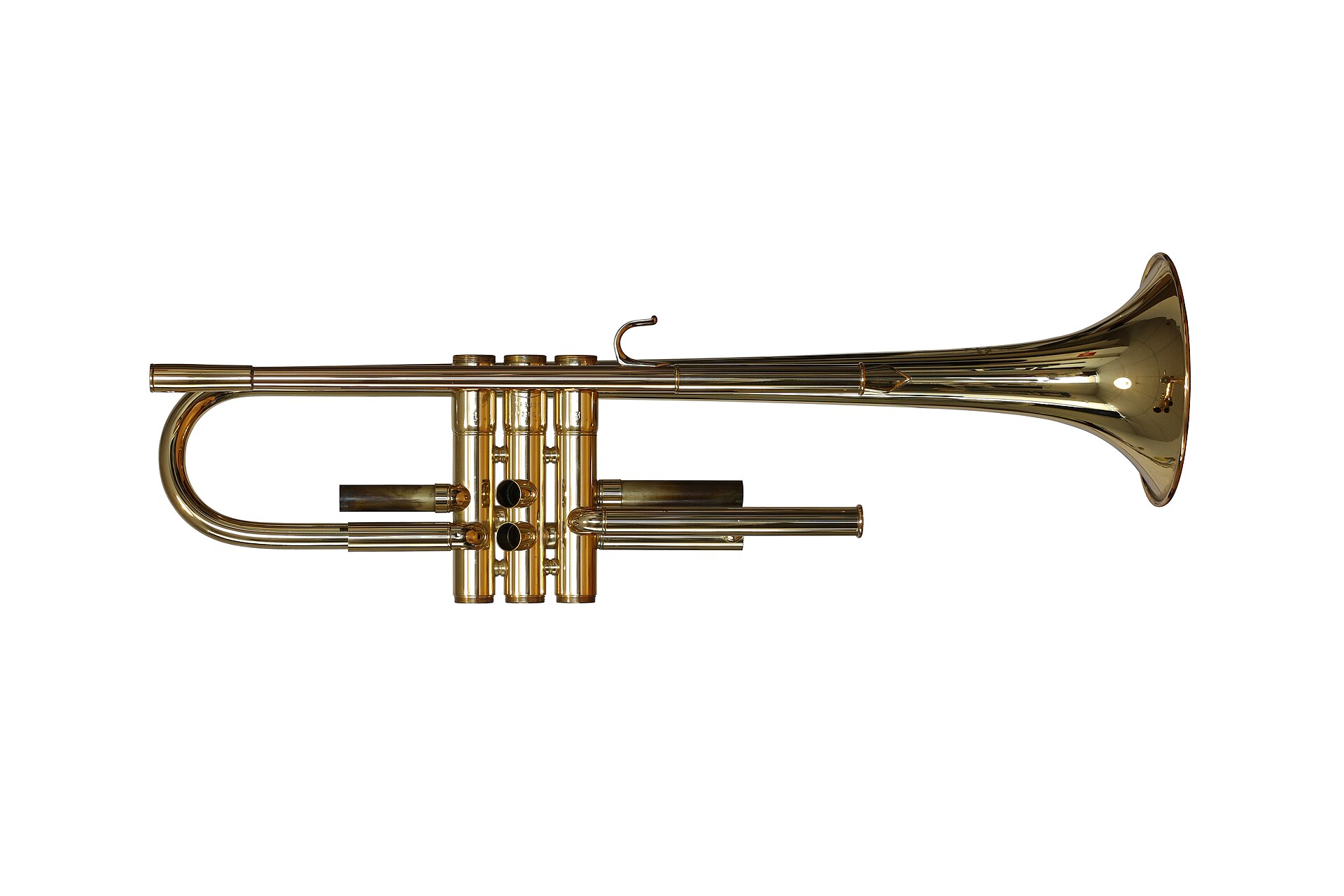
For a month now, doña Queta's grandson has practiced Las mañanitas on the trumpet at eight every night. This week without the girls, I caught myself waiting for him.