bike · sundays · city
The Back Tire
Yesterday I got a flat on Federalismo. Three years of Sunday rides and I'd never changed an inner tube. The man with the speaker taught me.
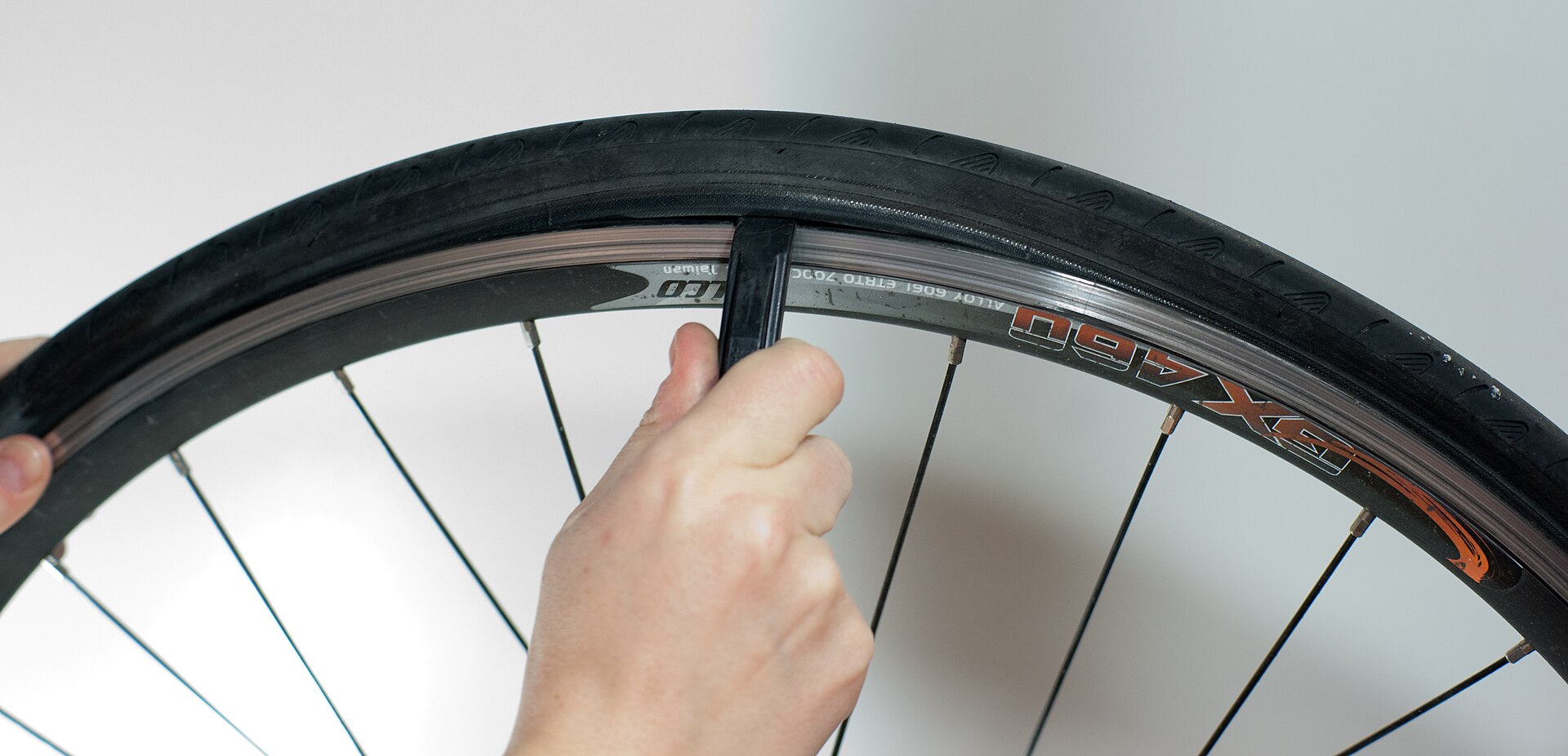
Yesterday, Sunday, at a quarter past nine, on Federalismo around Juan Manuel street, my bike made a noise I'd never heard from it. Not a bang, like in the movies. A long, offended sigh, like my fridge when I open the door without knowing what I want. Then the back tire started feeling like modeling clay, and two blocks later I was riding on the rim, with a clatter that made people turn around.
I got off. I stood by the median with the bike next to me, the way you stand by a broken-down car on the highway: hands on hips, looking at the tire, hoping looking will do something. It's the same pose I struck in front of the water heater the morning the gas ran out. I'm starting to suspect it's the only one I have.
Three years of not learning
For almost three years I've been riding the vía recreactiva on the Sundays I don't have the girls, and on some that I do. I've already told how I started. What I didn't tell, because I hadn't noticed, is that in all that time I'd never had a flat. Not once. So I'd never learned how to fix one. No pump, no patches, no spare tube, none of those little plastic levers I see hanging off the bikes of the serious men. I had my phone, a hundred pesos and a bottle of water. The kit of someone going out for tortillas.
I did the math, because that's what I do when I don't know what to do. I was about six kilometers from home. Pushing the bike, roughly an hour and a half. At six I had to pick up the girls at their mom's. Plenty of time, but it felt like a very sad ending for a Sunday that had started out sunny.
The man with the speaker
I heard him before I saw him. Juan Gabriel, full blast, coming out of a speaker tied to a handlebar with rubber bands. It was him: the man in his seventies I saw on my very first Sunday out, three years ago, and whom I've crossed now and then on Chapultepec ever since. We had never spoken. We nod, the way people nod when they share a route but not a name.
He stopped beside me, cut Juan Gabriel off mid-line and said: "Front or back?" I said back. He said "ah, the hard one," with pleasure, like someone being handed a crossword. His name is Chencho. He told me later, once my bike was already upside down on the median, resting on the seat and the handlebar, wheels to the sky.
From the back pocket of his jacket he pulled out a soccer sock, white with a blue stripe, and out of the sock came everything I didn't have: two levers, a little square of sandpaper, a tube of glue, a tiny box of round patches and a pump the size of a banana. He explained that the sock is so it doesn't rattle. I thought of the avocado sock it took me months to pick up, and decided this one had found a better calling.
The thorn
He didn't do it for me. He talked me through it. "Take the wheel off. No, not that lever, the other one. Now slide the lever between the tire and the rim, like a spoon into a jar of cajeta." That one I understood immediately. It took me about ten minutes to get the tire off, fingernails black and a drop of sweat hanging off the tip of my nose, while he watched with the patience of someone who no longer has to hurry anywhere.
Then he pumped a bit of air into the tube and passed it close to his cheek, slowly, inch by inch, until he said "here." I couldn't hear a thing. He felt the air on his face. Then he ran his fingers along the inside of the tire, slowly too, and pulled out a huizache thorn almost as long as a fingernail. He set it in my palm like someone handing over evidence at a trial.
I sanded around the hole. I spread the glue. Chencho told me to wait for it to dry, that if I stuck the patch on right away it wouldn't hold, and I, who have spent three years waiting for Doña Chayo's dough to rise, understood perfectly and still tried to do it early. He stopped my hand. We waited a minute without talking. A family went by on a tandem. A dog went by wearing sunglasses. I pressed the patch on with my thumb, hard, as he said, counting to thirty.
The way back
Pumping up a tire with a banana-sized pump takes about two hundred strokes. I did them. Chencho counted out loud from a hundred on, to keep me going, and at a hundred and forty a woman selling corn on the corner joined in. When I finished, he squeezed the tire with two fingers, nodded and said "done." I tried to pay him. He said no, that the next time I saw someone standing next to a bike with their hands on their hips, I should stop.
I told him I wouldn't know how. He said I would, I already did, and switched Juan Gabriel back on at the exact line where he'd left him. He rode off down Federalismo, heading south. The song carried for a while, quieter and quieter, until it blended into the sound of the bikes.
In the afternoon I went to the bike shop on Avenida Hidalgo and bought a sockful of things: levers, patches, glue, a small pump. I put it all in one of my own socks, a gray one that lost its partner months ago. That night, with the girls home, Ximena saw my fingernails at dinner and asked if I'd been making chocolate bread. I told her. She asked if I'd take her next Sunday and teach her. I said yes, though the truth is I've only done it once.
The huizache thorn is in the notebook, taped to yesterday's page, under a line that reads: "Back tire. Chencho. Spoon in a jar of cajeta."
Keep reading
The 2°B altar
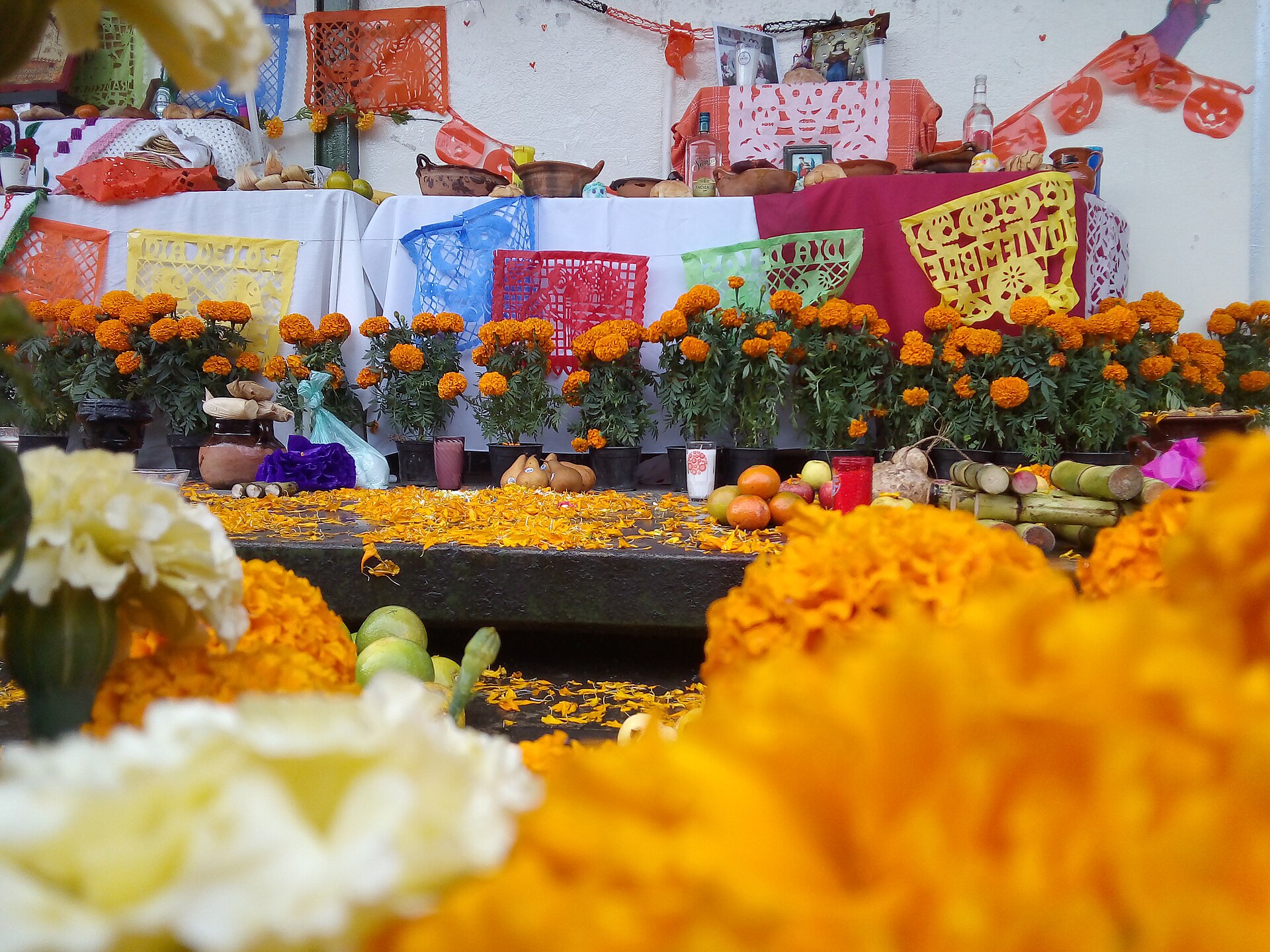
This morning I delivered twelve pan de muerto to Ximena's middle school. At noon I went to see her class altar and found a photo of my father I had never seen.
An altar on the TV stand
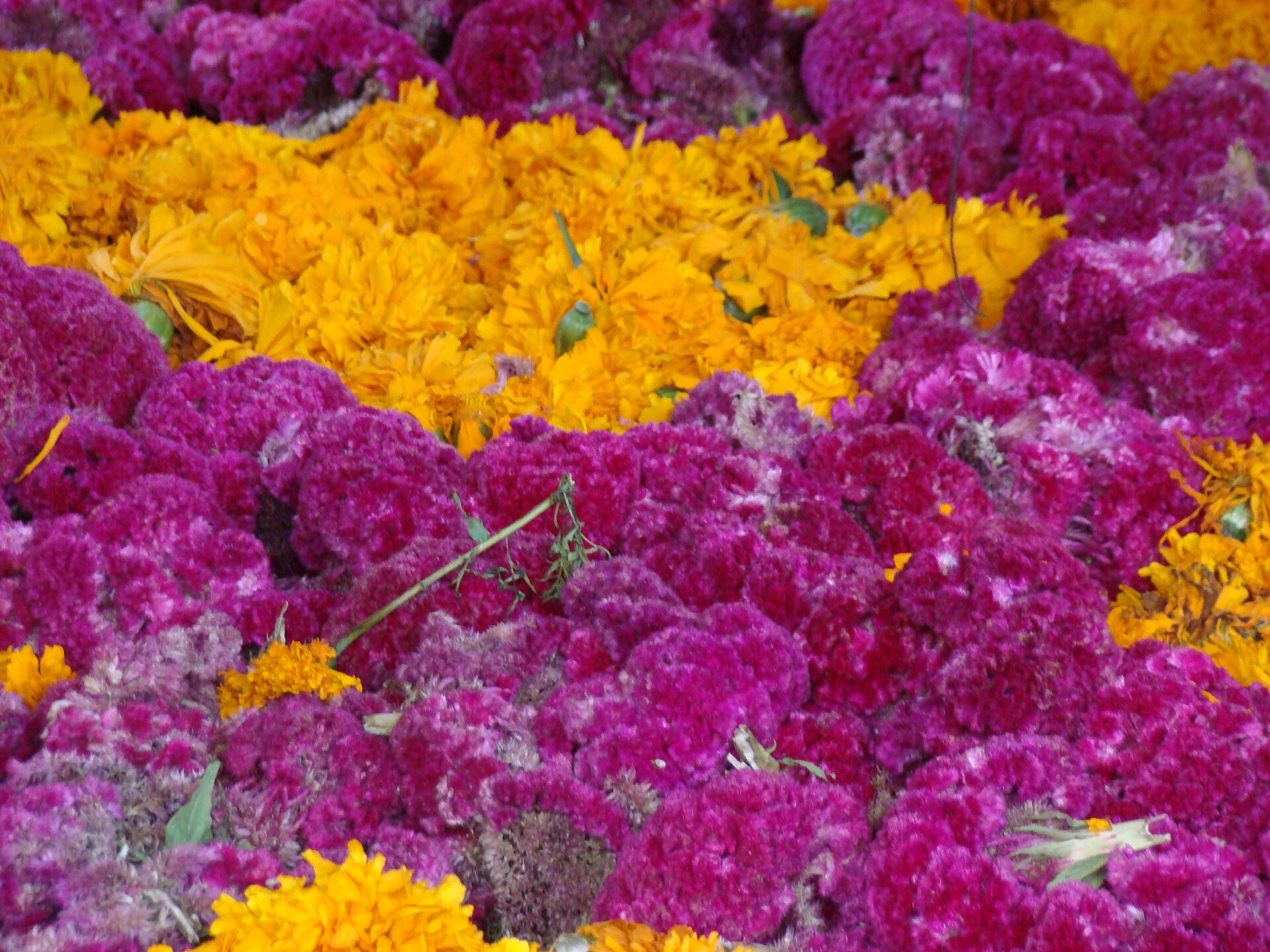
For the first time I set up a Day of the Dead altar for my father at home. My mother came to inspect it like an annual tax return, and she had notes.
The coffee machine broke down
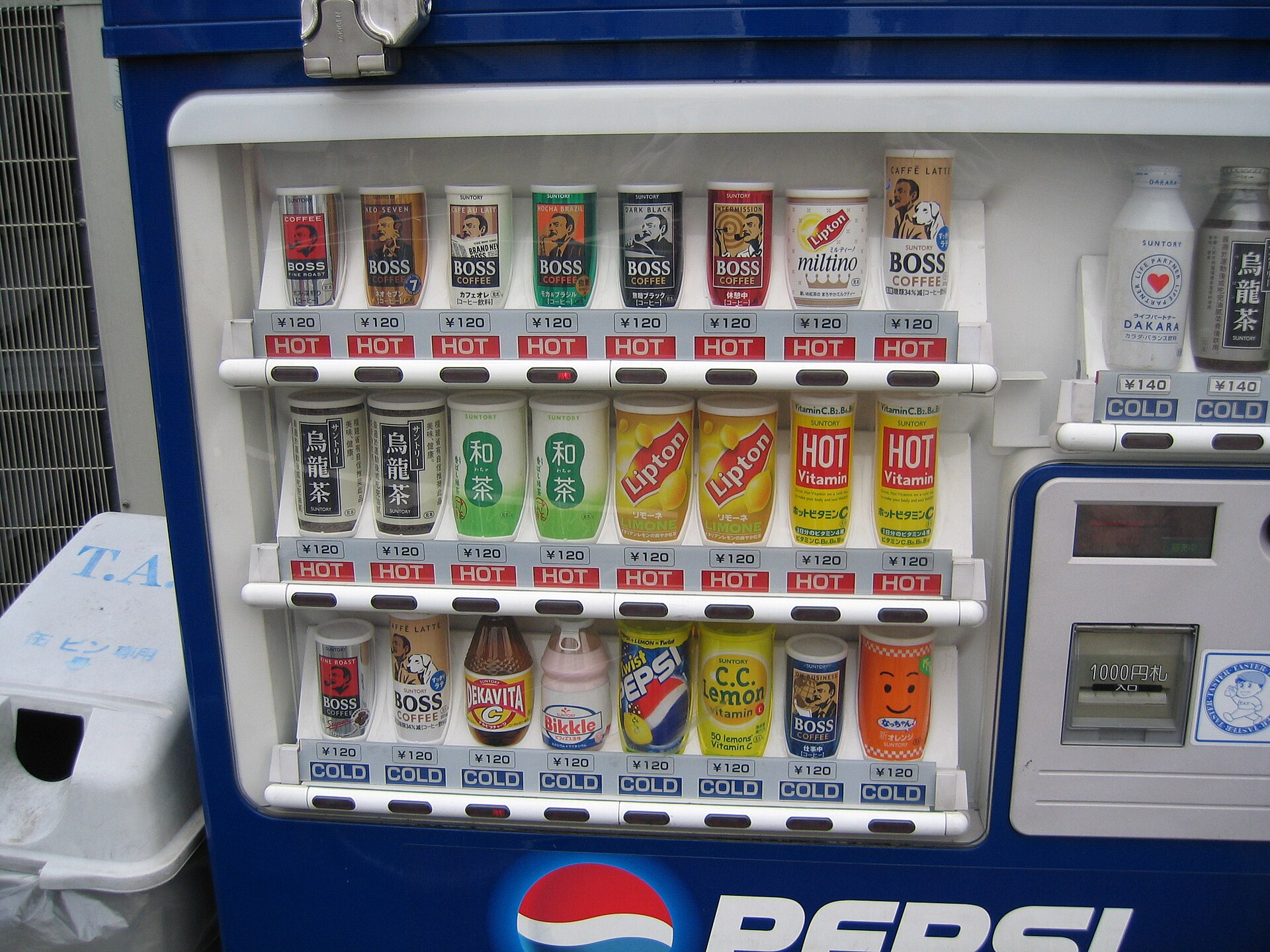
On Monday the office coffee machine showed up with an out-of-order sign, and I found out how much of my day depended on a plastic cup.