work · office · money
Malena's Tanda
Twenty years of saying savings circles make no financial sense. This year I joined Malena's, and today, Friday, number seven came up, in a manila envelope.
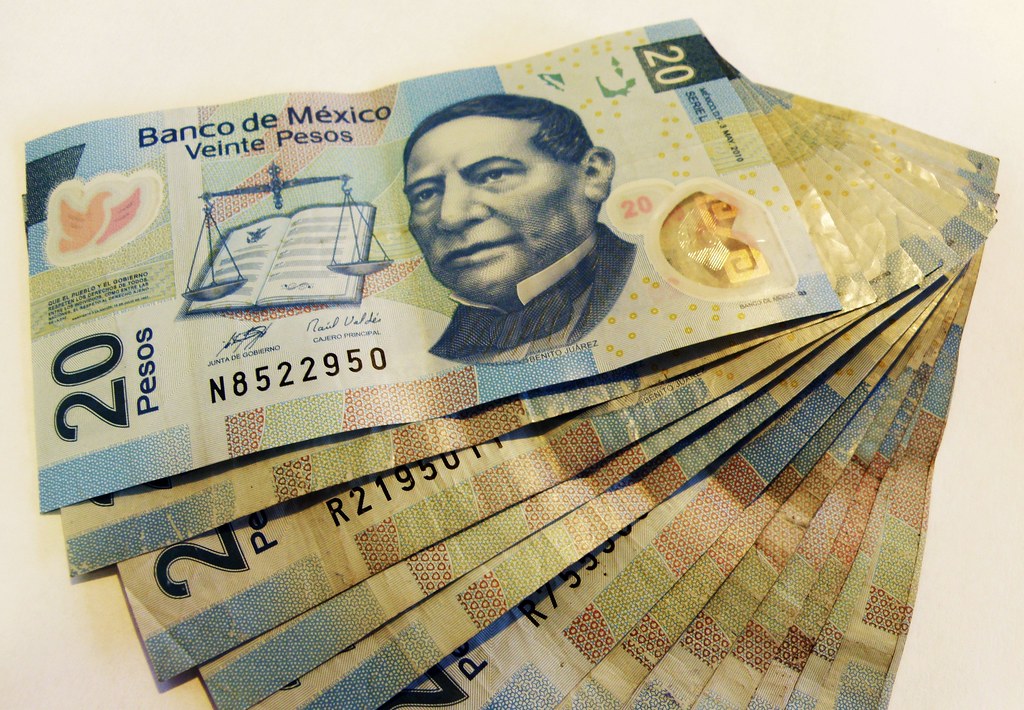
Today, Friday, at eleven, Malena knocked with one knuckle on the frame of my door, which is always open, and left a manila envelope on my desk with her handwriting in one corner: "7 — Carlos". She didn't say anything. She turned around and went back to her desk with the same face she has when she drops off the filing receipts, and I sat there looking at the envelope as if it were an invoice I didn't recognize.
Inside were five thousand pesos. Ten five-hundred-peso bills, brand new, all facing the same way. Malena asks for them like that at the bank. She says tanda money is never handed over crumpled, that it's bad luck, and nobody at the office has dared ask her what kind of bad luck.
Twenty years of saying no
Malena has run the office tanda since 2004, since before I got there. Ten numbers, five hundred pesos every Friday, and every Friday one person takes the whole pot. She keeps it in a graph-paper Scribe notebook covered in plastic, where she writes down who paid and who collected, with little pencil check marks she has never had to erase. Well, once. In 2009 a kid from the file room collected number two and didn't come back on Monday. Malena covered the eight payments he still owed out of her own purse, week by week, without telling anyone. Ernesto told me, not her.
I had never joined. Every year, when Malena came around with the notebook, I gave her the same explanation, the accountant's one: that a tanda is an interest-free loan where the early numbers borrow from the late ones, that whoever collects last is just saving with extra steps, that if you factor in inflation… Malena would hear me out, nod, and write down somebody else's name. Once she said "you and your numbers" in a tone I couldn't tell was fond or not.
This year I joined. I'm not sure why. I think it was the week of the coffee machine, the morning the four of us stood in front of it with no cups and talked more than we had in eleven years. When Malena came by with the notebook in September, I didn't even give her the speech. I asked for a number. She gave me seven. I didn't pick it; she says she hands out the numbers herself, "depending on how each person looks".
What I did with the envelope
The first thing I did, because I am who I am, was count the bills. Twice. There were ten. Then I did the math I'd promised myself I wouldn't: I've put in seven five-hundreds counting today, three thousand five hundred pesos, and I walked away with five thousand. I owe the tanda three more Fridays. For the first time in twenty years in this line of work I owe someone money without a single signed paper, and the only thing backing it is a pencil check mark in a plastic-covered notebook.
Ernesto leaned into my office at noon with his vending-machine cup. He has number ten. I asked him if he minded being last. He said no, that ten is the best number, the only one that doesn't owe anybody anything when it collects, and besides, it falls on the first Friday of December, "just in time for the posadas". He said it with the satisfaction of a man who has asked for the same number for seventeen years. That's when I understood that Malena does not hand out numbers at random.
The young woman at reception, whose name is Itzel, I've learned it now, has number eight. Next Friday Malena hands the envelope to her. She came by my door at one and asked me, quietly, if I knew how to keep the money from disappearing during the week. I told her no, that I'm an accountant, not a fortune teller. She laughed. It wasn't a joke.
The silverware drawer
In the evening, at home, I left the envelope on the kitchen table while I made dinner, and Ximena found it before I found the frying pan. She read "7 — Carlos", opened it without asking and yelled "Renata, Dad robbed a bank!". Renata came down, saw the bills, and the first thing she said was that it would pay for the calculator about twelve times over.
I explained the tanda. Ximena said it was like a WhatsApp group but for money. Not bad. Then she asked what I was going to buy. I said nothing, that I was going to put it away. She asked what for. I took a moment too long to answer, and that extra second was enough for Renata to say, without turning away from the fridge: "For your quinceañera, dummy."
Ximena said she didn't want a quinceañera party. That it was embarrassing. No waltz, no way. Renata told her she said the same thing at thirteen. Ximena looked at me so I'd say something, and the only thing I could come up with was that there were two years to go and a tanda lasts ten weeks, so there was still time for plenty of things, even for her to change her mind. She glared at me. She took one five-hundred-peso bill to her room "to look at it up close" and gave it back half an hour later, with a folded corner.
Before bed I put the envelope in the bottom drawer of the sideboard, inside the box with the wedding silverware, on top of the lotería. It isn't a safe place. It's a place where nobody looks. I opened the notebook and wrote it down in my dad's format: "Tanda Malena, no. 7. $5,000. 3 Fridays left." Underneath, in different handwriting, Ximena had already written something that wasn't there when I made dinner: "No waltz."
Keep reading
Lotería in the Dark
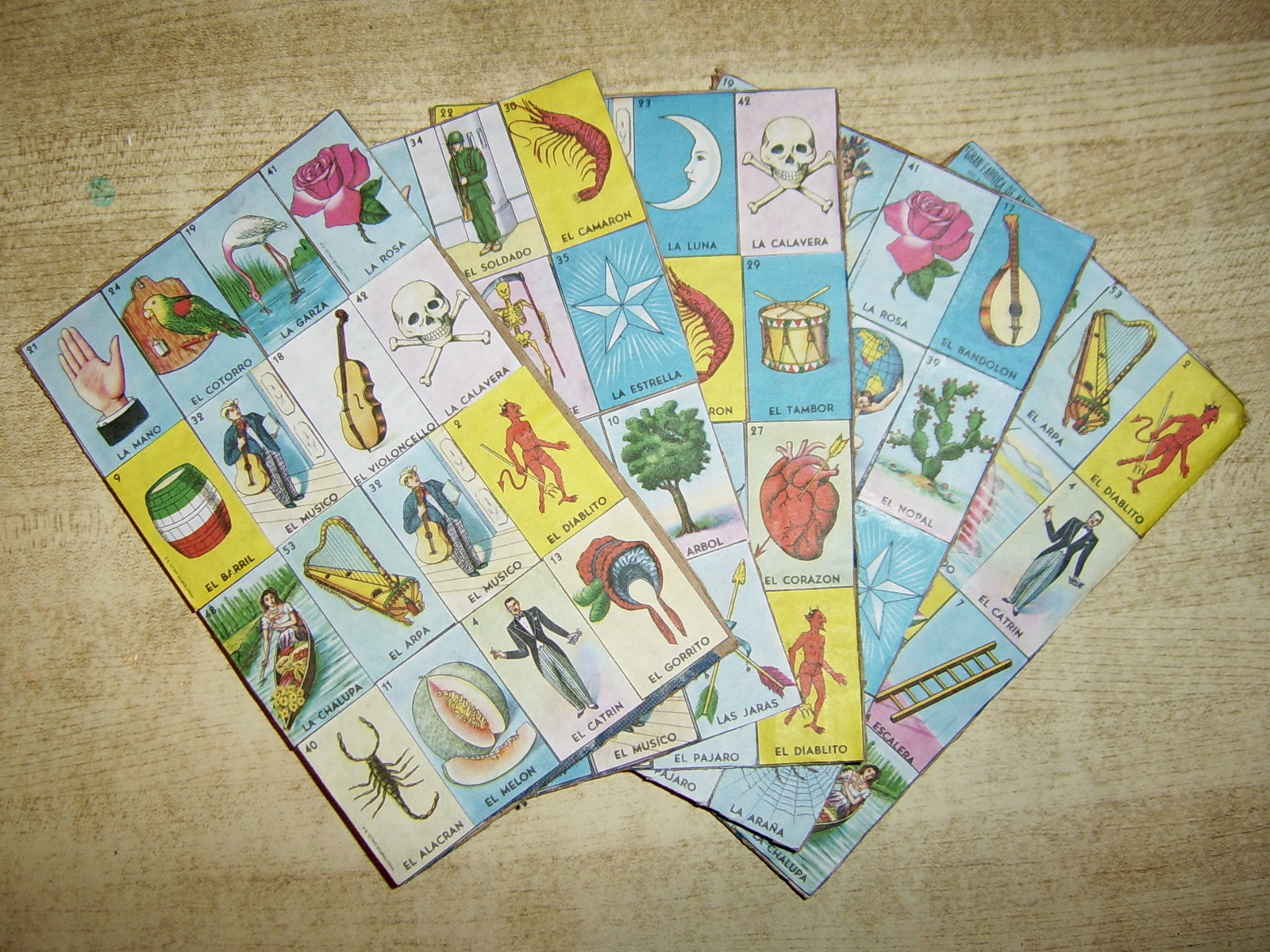
Last night a transformer blew and the whole block lost power. No internet, just the candles from the altar, so I took out the lotería and called it the way my dad did.
Salt and Pepper
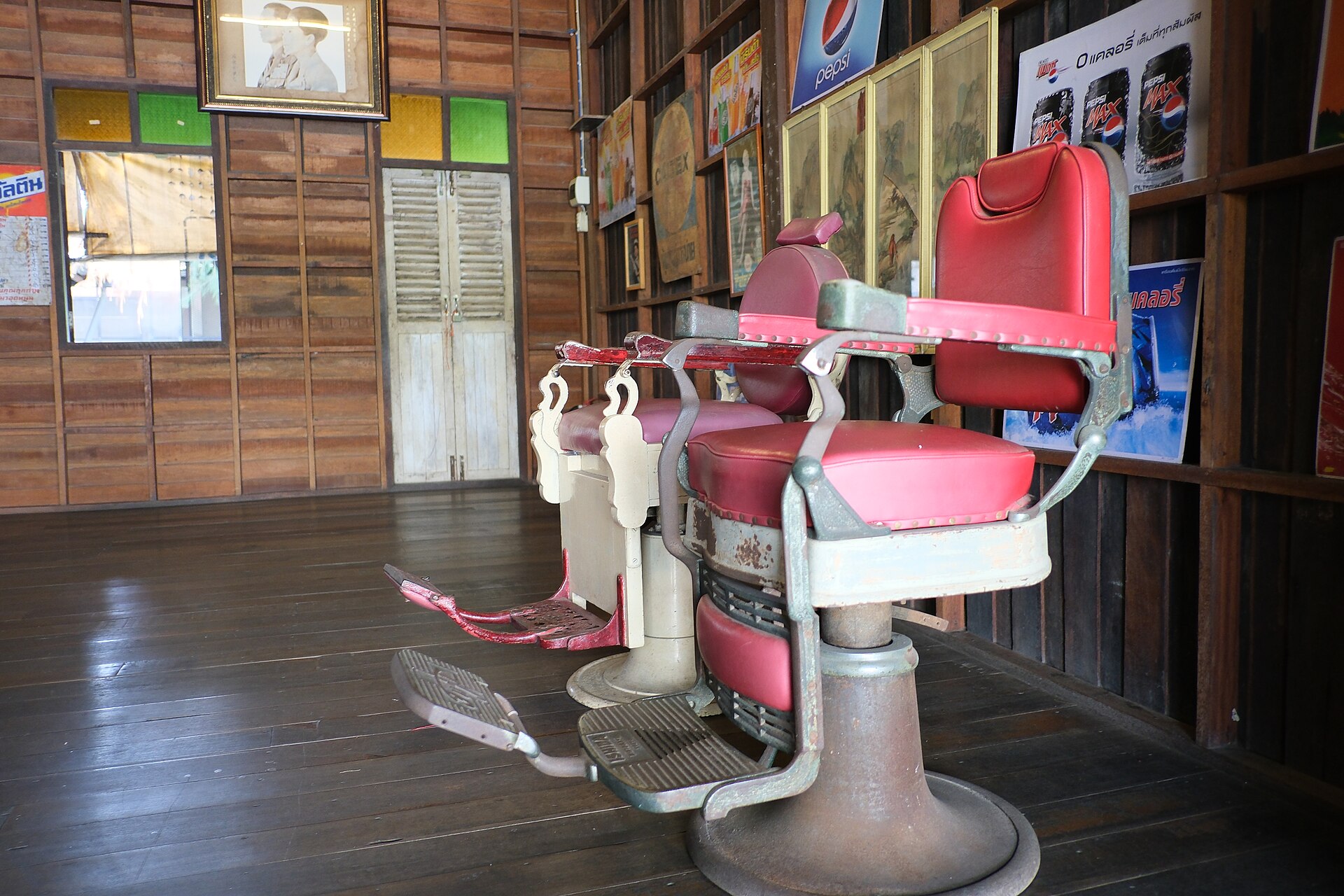
I went for my haircut with don Tomás, like every month for fifteen years. Ximena came along and left with bangs nobody had approved.
The Sine of Thirty
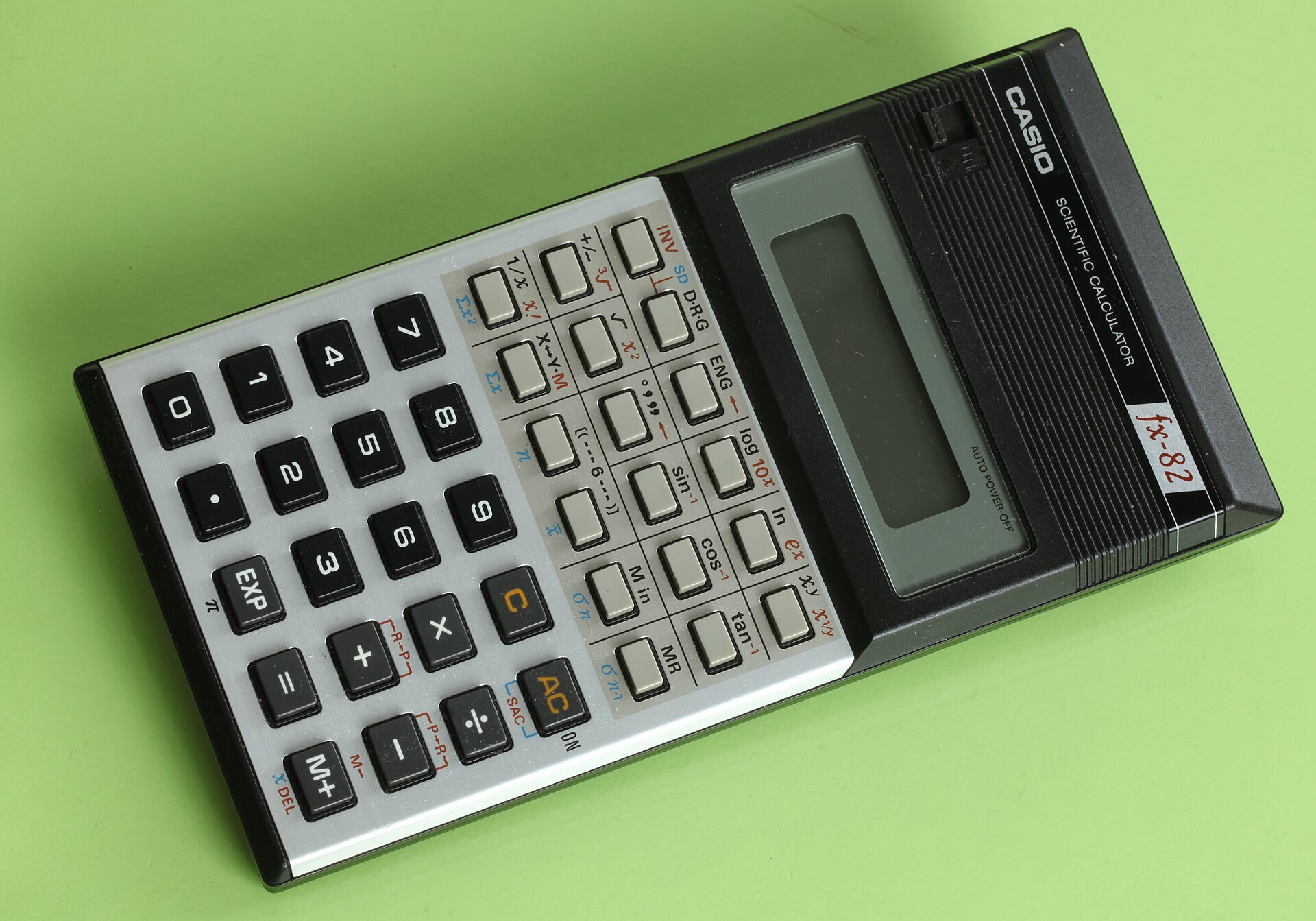
Renata has a trigonometry test and the calculator was still on the list. Last night we went to get it at eight thirty, and I learned something I copied in high school.