daughters · barbershop · neighborhood
Salt and Pepper
I went for my haircut with don Tomás, like every month for fifteen years. Ximena came along and left with bangs nobody had approved.
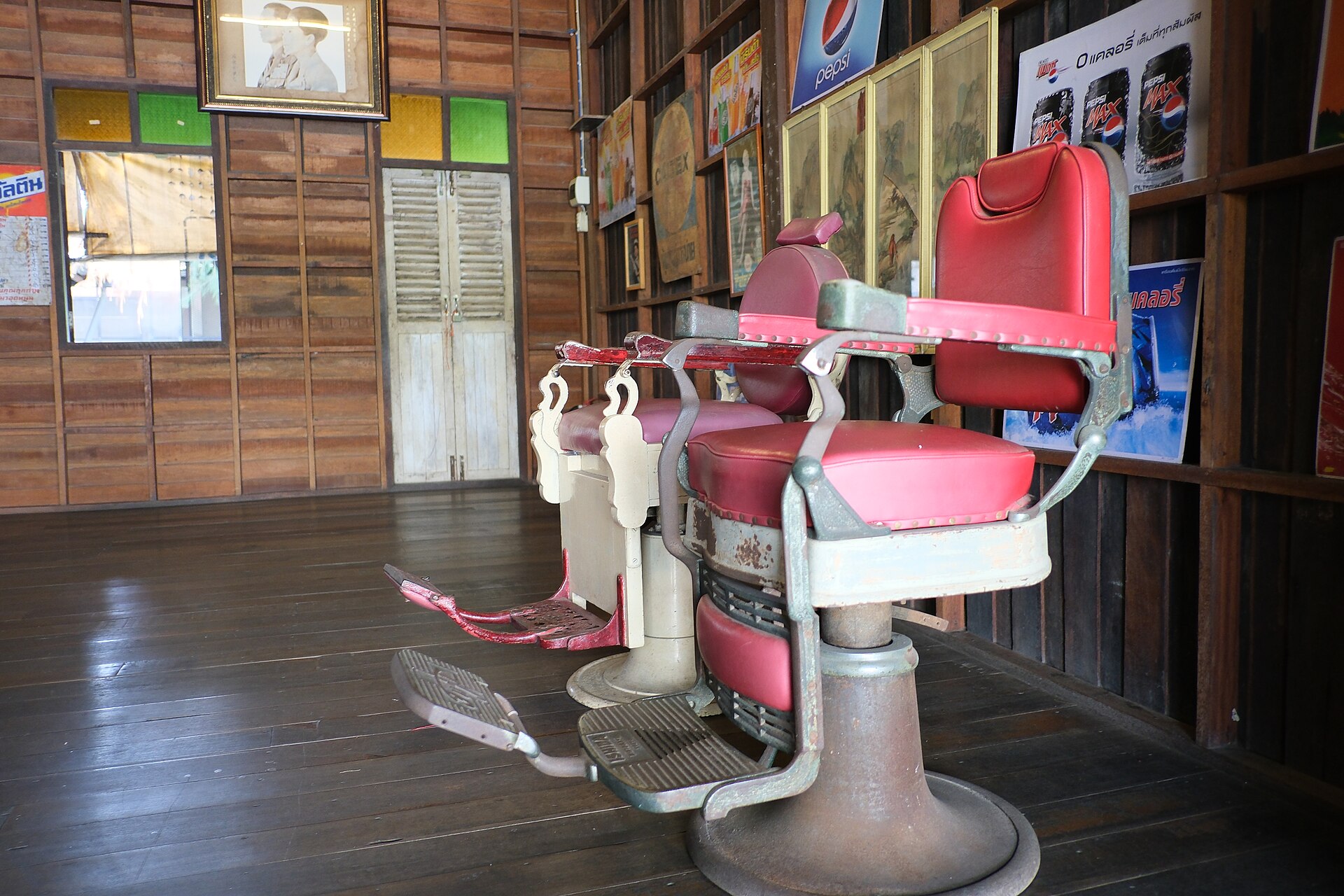
Don Tomás's barbershop is on López Cotilla, three blocks from the office, between a laundromat and a storefront that turns into something else every year: phone shop, ice-pop stand, and now a new barbershop with purple lights and a sign that says "Barber Studio". Don Tomás never mentions it. He glances at it sideways when he sweeps the sidewalk, the way you look at a nephew who thinks he's a big deal.
I've had my hair cut by him for fifteen years, on the first Wednesday of every month, and I've never told him how I want it. The first time I explained in detail, with my hands, and he listened very carefully, nodded, and gave me exactly the same haircut he's given me ever since. It's a good haircut. It's an accountant's haircut.
The waiting bench
The girls are with me this week, and Renata went to study at a friend's house after her exam, which she came out of saying "I think it went okay" with a face that confirmed nothing. So at six I picked up Ximena and told her I had to get a haircut. I figured she'd stay in the car with her phone. She got out. She said she'd never been inside "a place for old men".
The shop has two old-school barber chairs, iron and red leather, though only one gets used. The other is where Tomás sits to read the paper when there's nobody in. There's a long mirror with an aluminum frame, a jar of blue liquid with combs floating in it, a radio permanently tuned to a show that plays boleros, and a 2019 calendar from an auto-parts store that nobody has changed because, according to don Tomás, "the girl is pretty". It smells of talcum powder and alcohol aftershave. It smells like a Saturday in 1990.
Ximena sat on the waiting bench, which is a church pew nobody knows the origin of, and found the stack of magazines. She went through them one by one with the focus of an archaeologist. "Dad, this one's from 2016." "Dad, this lady's divorced now." "Dad, who's Luis Miguel?" I let that one go.
The count
Don Tomás put the cape on me, fastened it around my neck tighter than necessary, as always, and started on the back with the clippers. Ten minutes in, instead of carrying on, he stood behind me with the comb in the air, looking at the crown of my head in the mirror.
"It's more salt than pepper now, licenciado," he said. He calls me licenciado, the title you give anyone with a degree, even though he knows I'm an accountant. I asked him since when. He thought about it seriously. He said since March, more or less, but he hadn't wanted to tell me, because you don't give a customer bad news while you're holding a razor.
Ximena got up from the pew to look. She stood next to the chair and looked down at my head the way you look at a map, and asked don Tomás: "So how many does he have?" Don Tomás told her you don't count them, you weigh them. She told him that at our house everything gets counted. She was right, and I didn't know whether to defend myself.
Don Tomás asked if I wanted him to "run a little color through it". He said it quietly, the way you offer something that isn't on the menu. I said no. Ximena said "no" at the same time, louder, and then, to me, more quietly: "You look like the dad in a TV show." I didn't ask which show. I preferred not knowing.
The bangs
When he was done with me, don Tomás took off the cape, shook it out on the sidewalk and ran the talc brush over my neck. Ximena was still standing by the chair. She asked him how much he charged for bangs.
The shop went quiet. Even the bolero seemed to turn itself down. Don Tomás looked at me. I knew nothing about any bangs. In our family, bangs, like ear piercings and permission to go to parties, are matters you run past their mom, on WhatsApp, with reference screenshots. I opened my mouth to say so. Ximena showed me her phone: a photo of a Korean singer with blunt bangs, and under it, a message from her mom two days ago: "If your dad takes you, ok."
Don Tomás said he hadn't cut a girl's bangs since his wife died; she was the one who did the ladies on Saturdays. He said it without sadness, as a fact. Then he looked at the photo for a long while, put on his glasses, looked again, and told Ximena to sit down.
He put the same cape on her. He wet her hair with the spray bottle. From a locked drawer he took a pair of scissors I'd never seen, smaller ones, and cut the bangs slowly, side to side, with the tip of his tongue showing, in operating-room silence. Ximena didn't move. Neither did I, and I was on the pew.
They came out straight. A little shorter than in the photo, just enough for her to say "it's perfect" and then tug them down with her fingers the whole way home. Don Tomás wouldn't charge her. He charged me the usual, a hundred and twenty pesos, and gave her one of the magazines, the 2016 one, with the lady who's divorced now.
On the way out I turned around. Don Tomás was sweeping with his short-handled broom, slowly, and on the floor next to the red chair was a little heap of hair: mine, gray and black, and on top a few thin brown locks that you could no longer quite tell apart from the rest.
Keep reading

The Sine of Thirty
Renata has a trigonometry test and the calculator was still on the list. Last night we went to get it at eight thirty, and I learned something I copied in high school.
The Back Tire
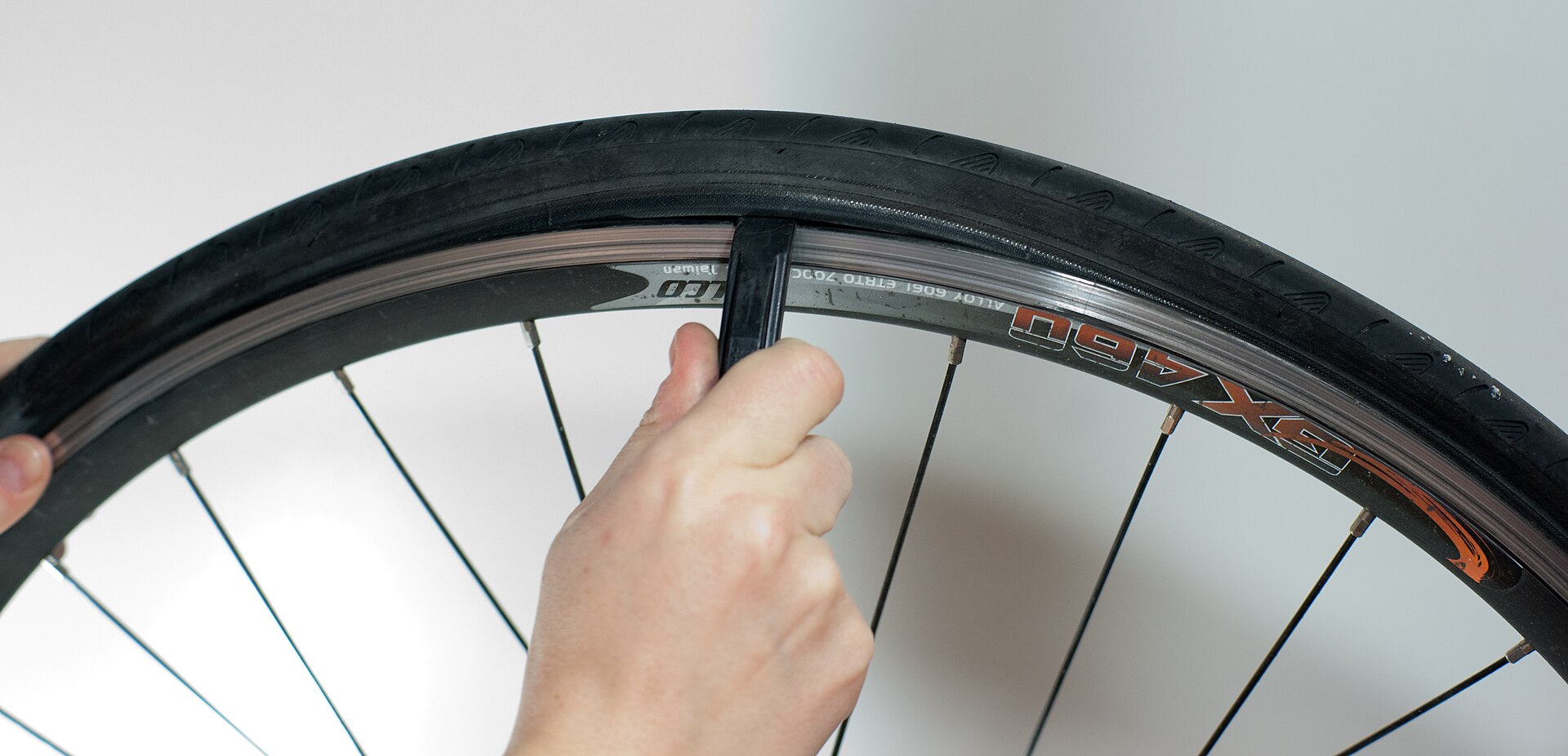
Yesterday I got a flat on Federalismo. Three years of Sunday rides and I'd never changed an inner tube. The man with the speaker taught me.
The 2°B altar
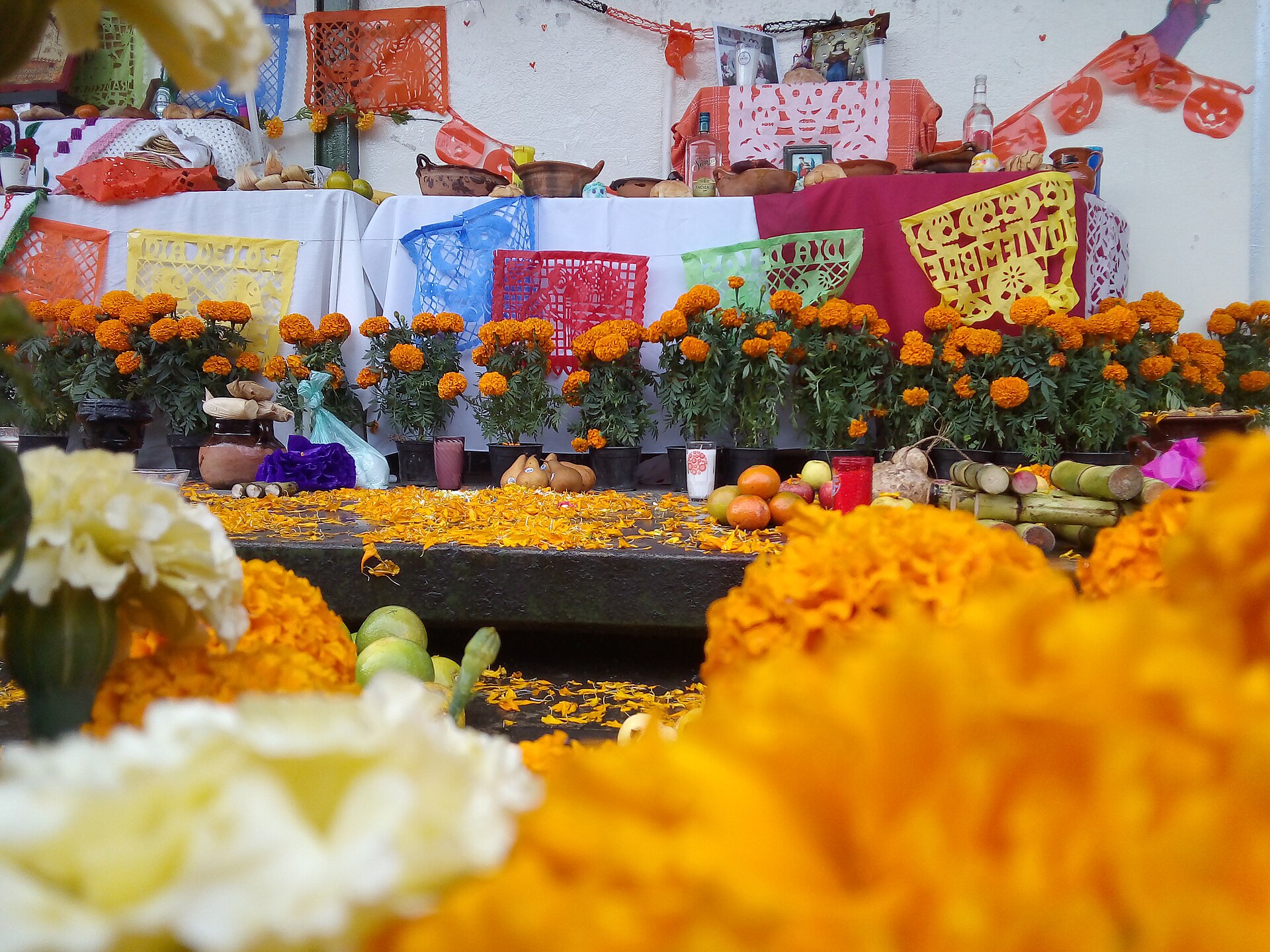
This morning I delivered twelve pan de muerto to Ximena's middle school. At noon I went to see her class altar and found a photo of my father I had never seen.