home · daughters · sundays
Five Shirts and a Blouse
On Sunday nights I iron my shirts for the week. Last night, at a quarter to eleven, Ximena told me her flag-ceremony blouse had been left at my place.
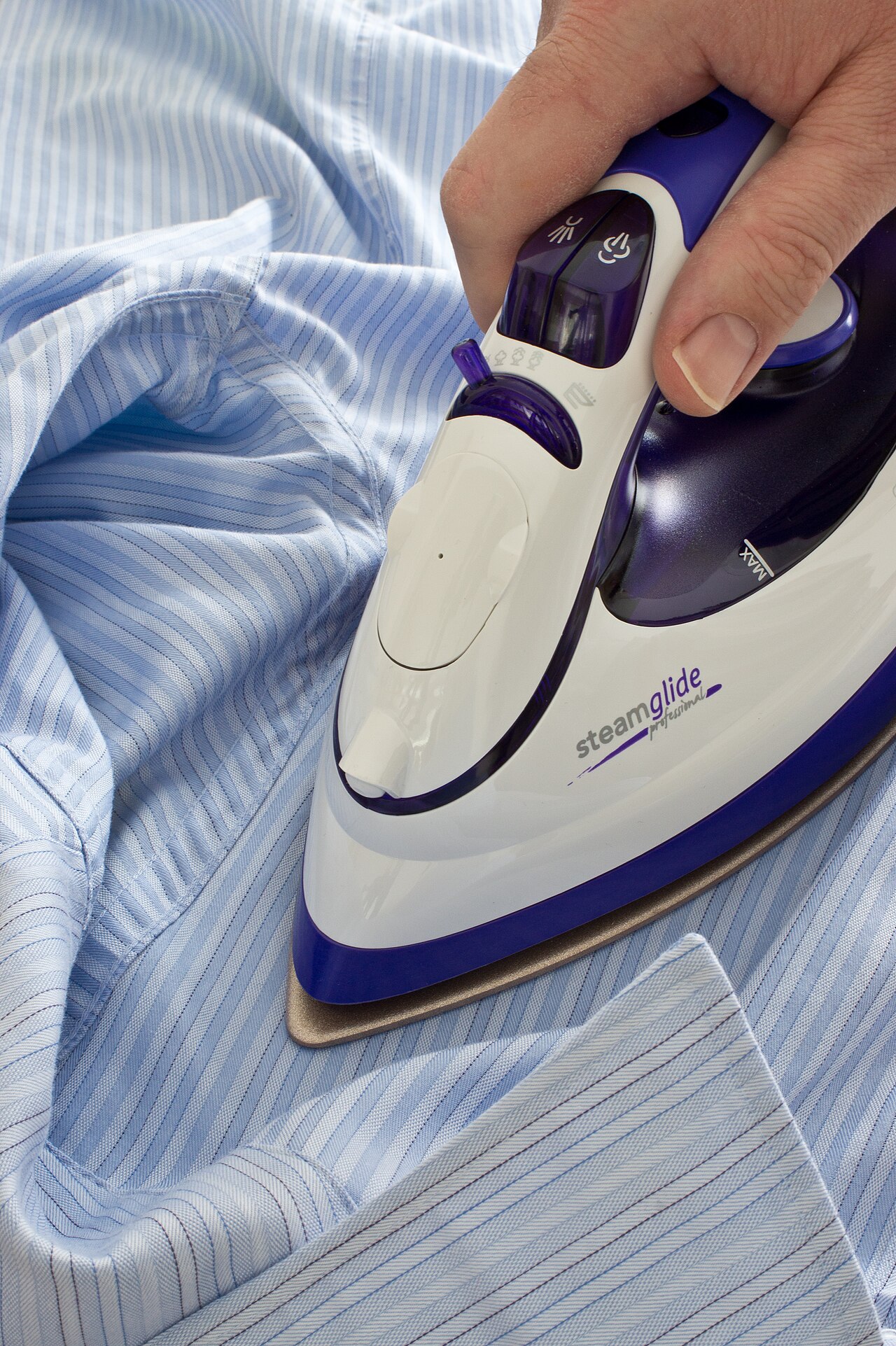
On Sunday nights, when I get back from dropping the girls off at their mom's, I iron. Five shirts, one for each day of the week, in the order I'll wear them: sky blue on Monday, the pinstripe on Tuesday, the white one on Wednesday because Wednesdays there's a meeting with Mr. Ochoa, and the other two however they come. I hang them on the closet door, five hangers in a row, and just like that the week has a shape before it starts.
It wasn't always like this. For the fourteen years I was married, the shirts went to a pressing shop in the neighborhood, Doña Licha's, which sent them back in plastic bags with a little stapled ticket and a smell of starch I thought was just what clean shirts smelled like. When I moved out I did the math: twelve pesos a shirt, twenty shirts a month. I bought a four-hundred-peso iron and an ironing board that squeaks, watched three videos, and scorched the very first shirt on the left cuff, a triangle-shaped mark it still has. That one I wear on Fridays, with a sweater.
The bolero hour
Over time it turned into something else. I don't do it for the twelve pesos anymore. I do it because the house without them sounds a certain way on a Sunday night, and the iron has a noise, a sigh of steam every time I lift it, that covers exactly that sound. I put on the bolero program on the kitchen radio, the same one Don Tomás plays at the barbershop and that I now suspect half of Guadalajara over forty listens to. I set the board up facing the window. I start with the collar.
Last night was the same, except the TV stand was empty. That afternoon we'd taken down my dad's altar, as my mother ordered; she came over to supervise from the couch and took the photo home wrapped in a cloth napkin. She left me the candles. She says my house needs them more.
I was three shirts in when the phone buzzed on the table. Ten forty-five. Ximena: "dad". Then: "my flag blouse got left at your place". Then, without waiting: "it's tomorrow". Then a melting-face emoji, which I understand means, in her language, that it's nobody's fault, least of all hers.
The round collar
I found it in the laundry basket, under two towels and my Sunday-ride sweatshirt. It wasn't dirty. It was wrinkled the way only something can be after a week balled up at the bottom of a basket. White, short-sleeved, the school crest embroidered on the pocket, and a round collar with a thin lace edge I'd never looked at up close.
Men's shirts I can do. This, no. A round collar gives you nothing to hold on to; the iron touches the lace and the lace shrinks back like it's scared. I tried twice. Then I called Lupe, at eleven on a Sunday night, which in my family is an hour you only call if somebody has died.
My mother answered. Lupe had fallen asleep watching a show and the phone was on the kitchen table. My mother asked what had happened in a voice that was already dressed for the wake. I explained. There was a long silence. Then she said "put me on speaker", and I, forty-four years old with a university degree, propped the phone against the spoon jar and did as I was told.
Collar first, inside out. Then the lace, no iron, just fingertips and a little water, stretching it. Then the sleeves, with your hand inside so you don't leave a crease. "Do you have starch?" I didn't. "Ay, Carlos." She told me to wet a clean kitchen towel and lay it on top, that's how you iron delicate things, and not to use the dish towel or the girl would smell of onions at the flag ceremony. She asked what setting I was on. I said cotton. She said to go down a notch. I went down a notch.
A blouse that would have taken her five minutes took me twenty-five. When I finished I described it to her piece by piece, the way you walk someone through a balance sheet. She said it was fine but it needed starch, which is her way, according to Lupe, of saying she likes something. Before hanging up she asked if I was eating properly.
Six fifty-five
This morning I pulled up at the school gate at six fifty-five, the blouse on a hanger hooked over the handle above the back door, the way Doña Licha used to hand me mine. Their mom's car arrived at seven sharp. Ximena got out in her everyday gray uniform blouse, with a face that said she hadn't slept at all, which I know is the face of someone who slept perfectly.
I passed the hanger through the window. She checked the collar. She ran a finger along the lace. Her mom, from behind the wheel, looked at me and raised her eyebrows, which between the two of us is by now a whole conversation. Ximena said "thanks, dad", turned and ran into the bathroom by the entrance to change, holding the blouse up high so it wouldn't wrinkle, like someone carrying a cake. Halfway there she came back, handed me the hanger through the window and ran off again.
I didn't stay for the ceremony. I had a meeting at eight thirty. At home the board was still standing by the window, and on the closet door there were five shirts and, at the end of the row, an empty hanger: the blouse's, wire, one of Doña Licha's, which I have no idea how it survived three years in my closet and which I haven't wanted to take down.
Keep reading

Malena's Tanda
Twenty years of saying savings circles make no financial sense. This year I joined Malena's, and today, Friday, number seven came up, in a manila envelope.
Lotería in the Dark
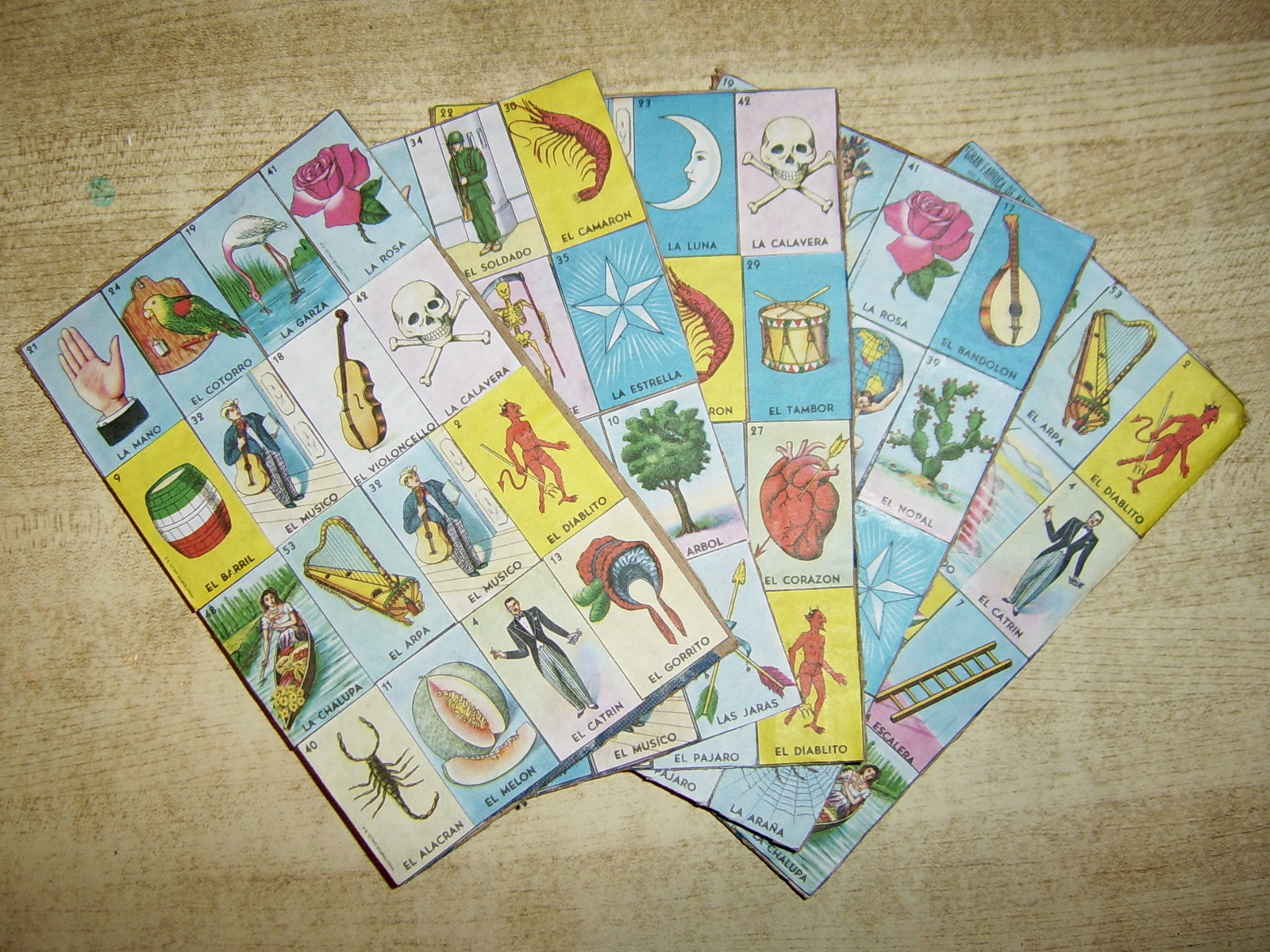
Last night a transformer blew and the whole block lost power. No internet, just the candles from the altar, so I took out the lotería and called it the way my dad did.
Salt and Pepper
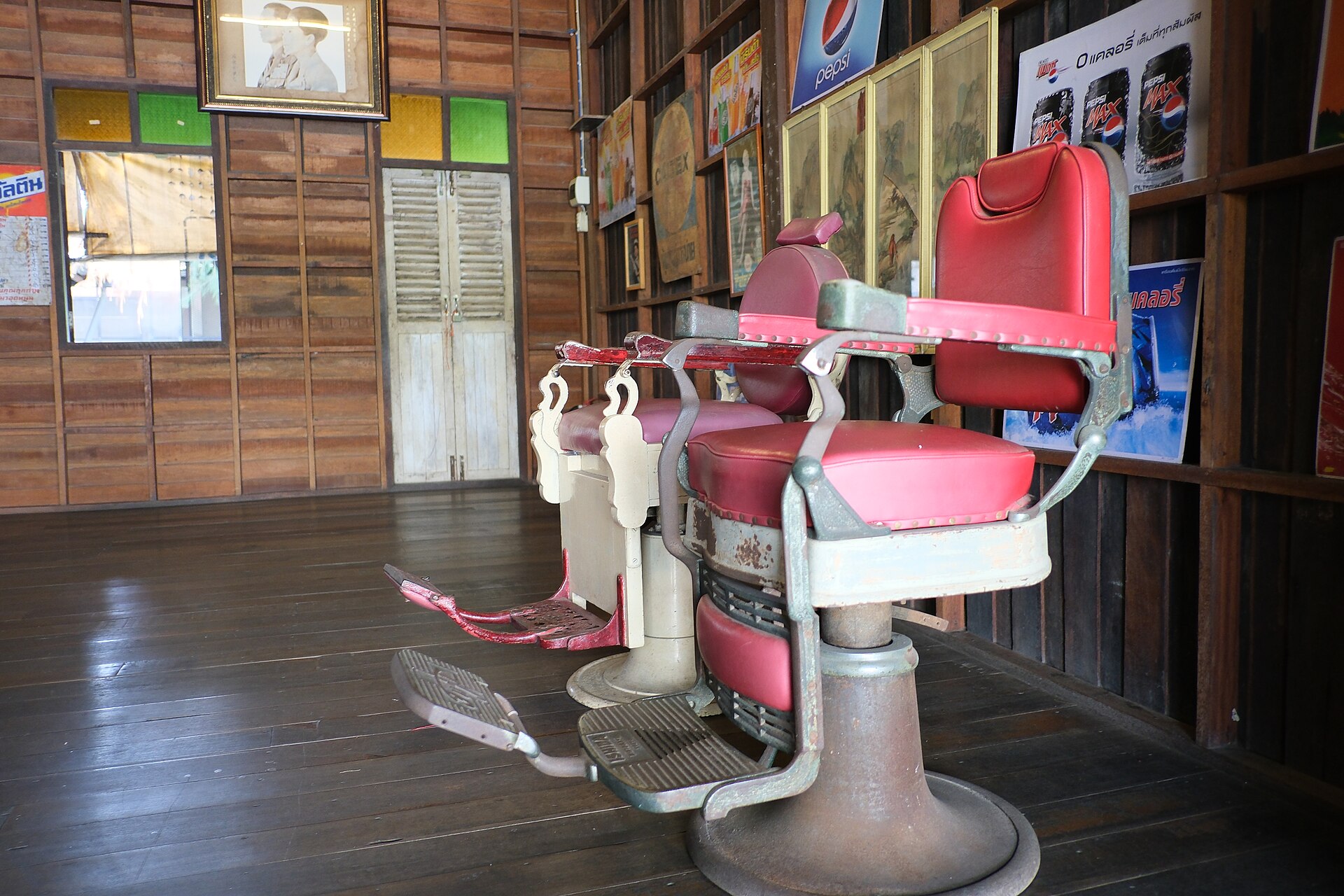
I went for my haircut with don Tomás, like every month for fifteen years. Ximena came along and left with bangs nobody had approved.