family · father · numbers
My father's notebook
My dad wrote down every household expense for thirty-six years. I read his notebooks in one night and found things no column says.
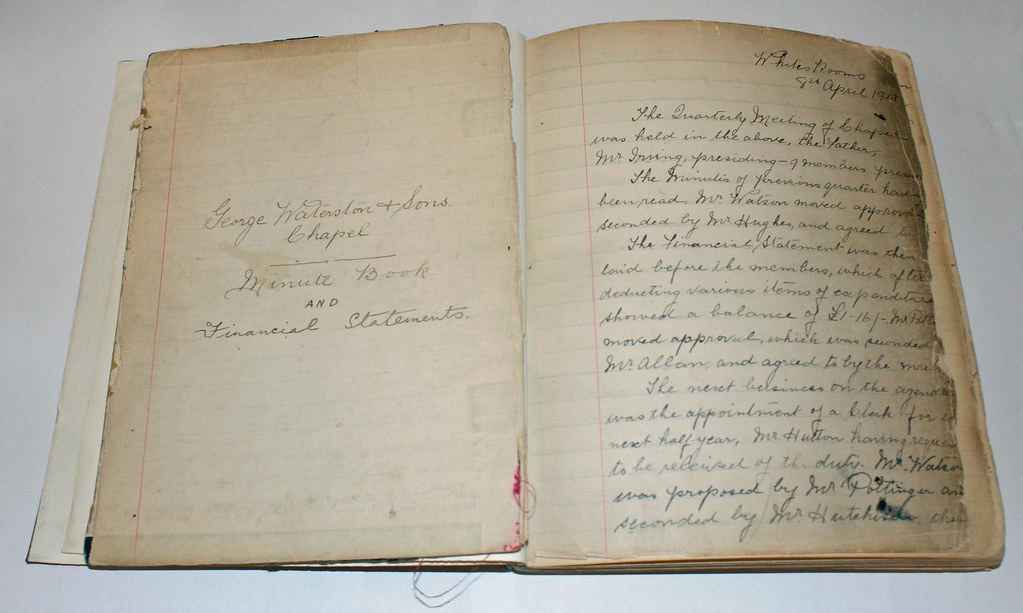
My father kept an expense notebook from 1979 until the month before he died. Not one: eleven, hardcover, all identical, each with a plastic cover he put on himself. My mother kept them in a shoebox that sat on top of the wardrobe for eleven years, and two weeks ago, when I was helping her clear out the room because she's moving in with my sister Lupe, the box practically fell on my head. Some things have a sense of humor.
I brought them home. My mother said "you take them, you're the numbers one", in a tone I couldn't tell was affection or a way of getting a chore off her plate. Probably both.
What's inside
Columns. Date, item, amount. His handwriting is the old kind, slanted and tight, with crossed sevens. He never once used the word "miscellaneous". Every peso has a name. "Tortillas, 2 kg." "Bus Carlos school." "Shoes Lupe (the black ones)." "Soda Sunday." "Medicine Mom." Like that, no articles, like a telegram.
I've gone through thousands of ledgers in my life. I read a balance sheet the way other people read the paper. But I had never read one with me in it.
I show up a lot. In 1988 there's an entry that says "Bicycle Carlos (Three Kings)" and an amount that, doing the math in my head, was nearly half of one of his paychecks. I remember that bike. It was red and it lost a pedal the first month because I left it lying in the street. I don't remember it costing anything. As a kid you think things just appear.
In 1995 there's a three-month gap with almost no entries, only the essentials, then a line that says "loan compadre Toño" and, months later, "payment compadre Toño (last)". I was twelve. I didn't notice a thing. There, between "gas" and "tortillas", was the whole peso crisis, and my father had fit it into two lines so we wouldn't see it.
What it doesn't say
The strange thing about an expense notebook is everything it leaves out. It doesn't say if that Sunday with soda was a good one. It doesn't say what he felt when he paid his compadre the last of it. About my mother it says nothing but "medicine Mom" in 2003, many times, and then no more, because she got better, and it doesn't say that either. I know because I was there.
And yet it says a great deal. It tells you what mattered when there wasn't enough for everything. In the lean months, "bus Carlos school" never disappears. The soda disappears, something that says "beer (2)" disappears, the Sunday paper disappears. School doesn't.
I spent a whole night reading them at the kitchen table, with a coffee that went cold and a loaf I'd baked that afternoon and never touched. It's the same table where my daughters do their homework when they're with me. I thought about that for a long while.
My own notebook
I don't keep a notebook. I have an app that categorizes everything on its own and sends me notifications that I spent 23% more on "restaurants" this month, which is a lie, because Sunday tortas ahogadas with the girls are not restaurants, they're tradition.
But since that night I keep wondering what my app would say if someone read it thirty years from now. It would say "flour 10 kg" many times. It would say "child support" every month, which is an ugly phrase for something I do gladly. It would say "Spotify family plan" and "Ximena uniform" and, lately, "Renata driving test" (I wrote about that in Renata behind the wheel). It would say, I imagine, that there were lean months and that in those months some things never disappeared.
I bought a hardcover notebook. I haven't written anything in it yet. It's in the kitchen drawer, with its plastic cover on, which was harder to put on than I expected. My dad did it in two minutes. It took me twenty and it has a bubble.
Keep reading
I used to be the one honking
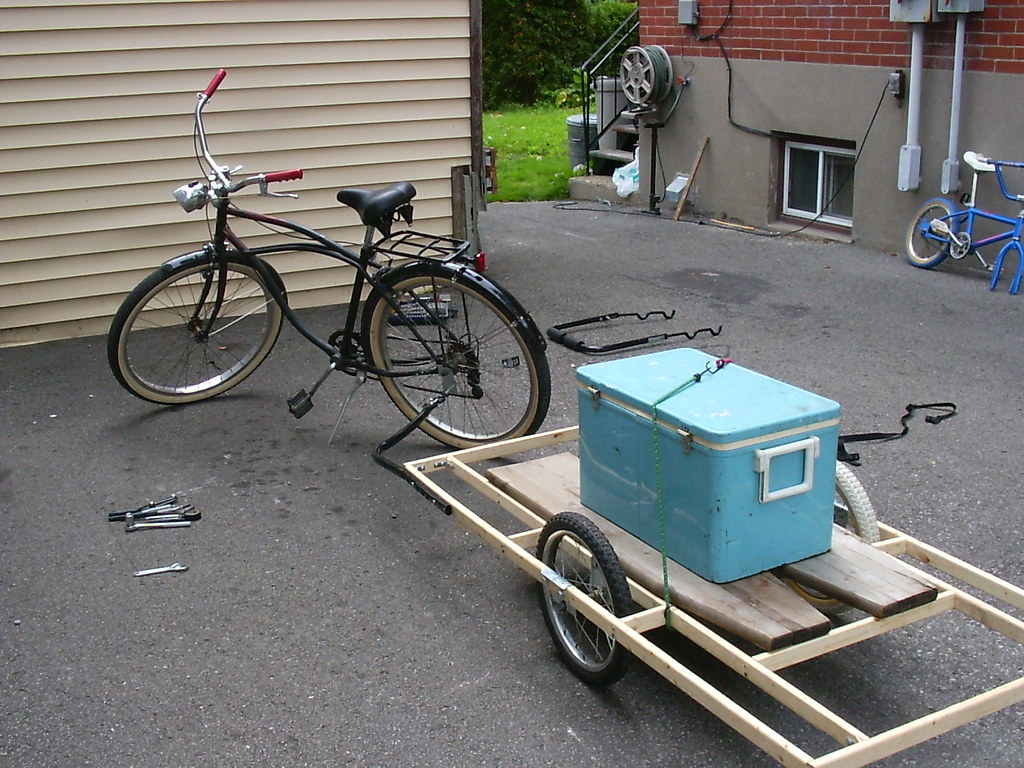
For years I honked at Guadalajara's car-free Sundays from behind the wheel. Then I dug a forgotten bike out of the garage and the city changed speed.
Renata behind the wheel
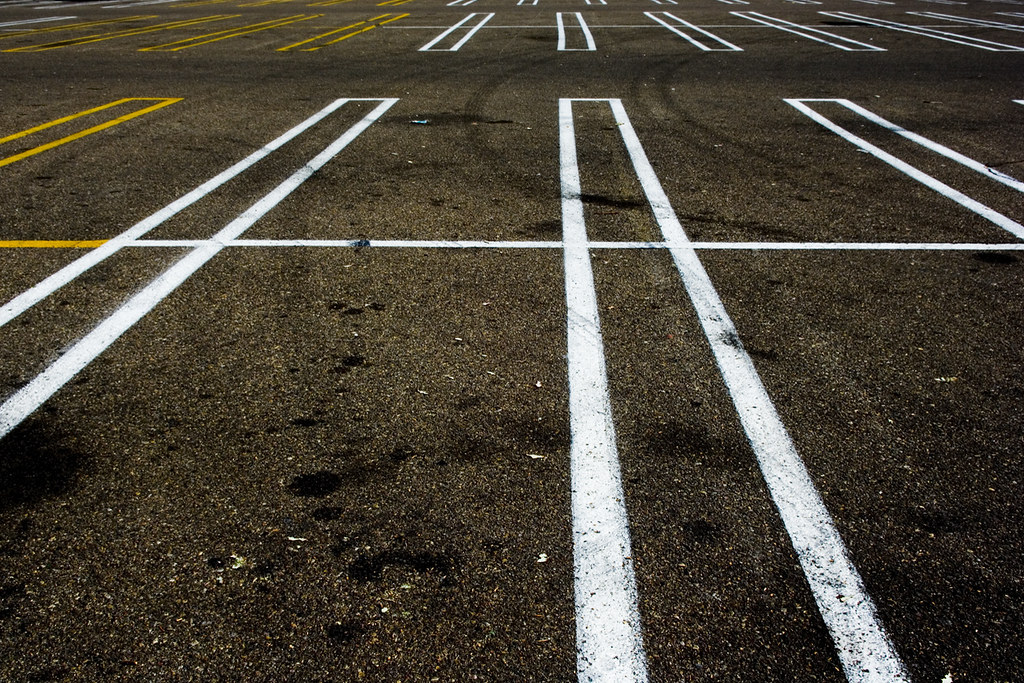
A Sunday in an empty parking lot teaching my oldest daughter to drive, with Ximena doing commentary and me squawking like a duck.
The week without them
What the house sounds like on the weeks my daughters aren't with me, my sock inventory, and why Thursday is always the worst day.