work · the office · clients
Don Cuco's receipts
It's the week of the 17th at the firm, and Don Cuco showed up late, like every month, with his shoebox full of receipts. This time he sat down to talk.

At the firm, you can tell it's the week of the 17th from Monday on, just by the sound of the printer. Monthly tax returns are due on the 17th, and even though everything is filed online now and in theory nobody needs to print anything, Malena, who has been there longer than I have, prints every client's filing receipt and keeps it in color-coded binders. She says the tax authority's website won't last forever and paper will. I don't argue. Once the site went down on the 17th at eleven at night, and the only calm person in the building was her.
This week the girls are with their mom, so the long nights are mine. It's an arrangement nobody signed but everyone at the office respects: on my weeks alone I stay late, and on their weeks I leave at six sharp even if the world is ending. Mr. Ochoa, my boss, calls it "Carlos's calendar" and has it written on the whiteboard in two colors, as if it were one more filing deadline. I suppose it is.
The box
Yesterday, Tuesday, at a quarter past seven, when only Malena and I were left, Don Cuco knocked. Don Cuco's real name is Refugio Íñiguez. He's seventy-nine and has run a hardware store on Libertad street since 1974. He's our oldest client; he was here before Mr. Ochoa, because he was his father's client. Every month, the week of the 17th, he shows up with a shoebox full of receipts and invoices, and every month he's late, and every month he says the same thing: "I'm leaving it in your hands, contador, I don't understand any of this."
He understands all of it. I learned that the first year. He knows exactly how many three-quarter-inch screws he sold in September and how much the price of cement went up in March. What he doesn't understand, or doesn't want to, is why he has to send all that to a computer. To him, bookkeeping is something you do with a person, sitting face to face, with the box between you.
This month's box had held a pair of Flexi shoes. Inside, tied with one of those old brown rubber bands, were the month's receipts in date order, and on top a slip of paper in his handwriting: "Two missing from the hardware supplier, already asked for them." I looked at that slip longer than I should have. A few weeks ago I spent a whole night reading my father's notebooks, which also lived in a shoebox, and since then shoeboxes haven't looked like shoeboxes to me.
What we talked about
Usually Don Cuco drops off the box and leaves. Yesterday he sat down. Malena brought him a vending-machine coffee, which he tasted and set down on the desk with a politeness I found admirable. He asked about my daughters, like always; he remembers their names better than some of my cousins do. I told him Renata is driving now while I ride shotgun clutching what my family has always called the panic handle, and that Ximena is already negotiating her turn. He laughed and said he taught all four of his kids to drive in a stake-bed truck and not one of them ever thanked him, "and that's fine, that's how it goes."
Then, while I was sorting invoices from receipts, he told me his eldest son wants him to close the store. That he's getting old, that the place is worth more rented out, that he could live comfortably on the rent. He said it without drama, as a fact, the same way he says how much cement went up. I asked him what he thought. He was quiet for a while and then said: "Well, that then I wouldn't come here anymore."
I didn't know what to say. I told him he could come anyway, for coffee. He looked at the vending-machine cup, and we both laughed.
The two missing receipts
He left at eight. Malena left at eight thirty, putting me in charge of turning off the printer, which is her elegant way of saying I was locking up. I entered Don Cuco's receipts one by one. I could have scanned them, the system reads them on its own, but with his I never do. I like his handwriting on the totals, with his sevens crossed like my father's. I like that on a forty-two-peso receipt he wrote in pencil: "Güero paid, on credit."
His return was ready at ten past nine. The hardware supplier's receipts are still missing; they'll arrive Thursday on another slip of paper, and I'll enter them Thursday even though the website would let me file without them.
On the way home I drove down Libertad on purpose. The store was closed, its metal shutter painted green, with a handwritten sign that says "Keys cut here." I thought that forty years from now someone will find a Flexi shoebox on top of a wardrobe and won't know what a three-quarter-inch screw is, or who Güero was. I got home, ate a bolillo standing up in the kitchen and, before bed, fed Doña Chayo, who was bubbling away in her jar on her own as if nothing had happened, as if everything were going to be the same on Saturday.
Keep reading

Eight kilometers at my mother's pace
Yesterday I walked the Romería with my mother and Lupe, like when my dad used to take us. We never reached the Basilica, and it mattered less than I thought.
My father's notebook
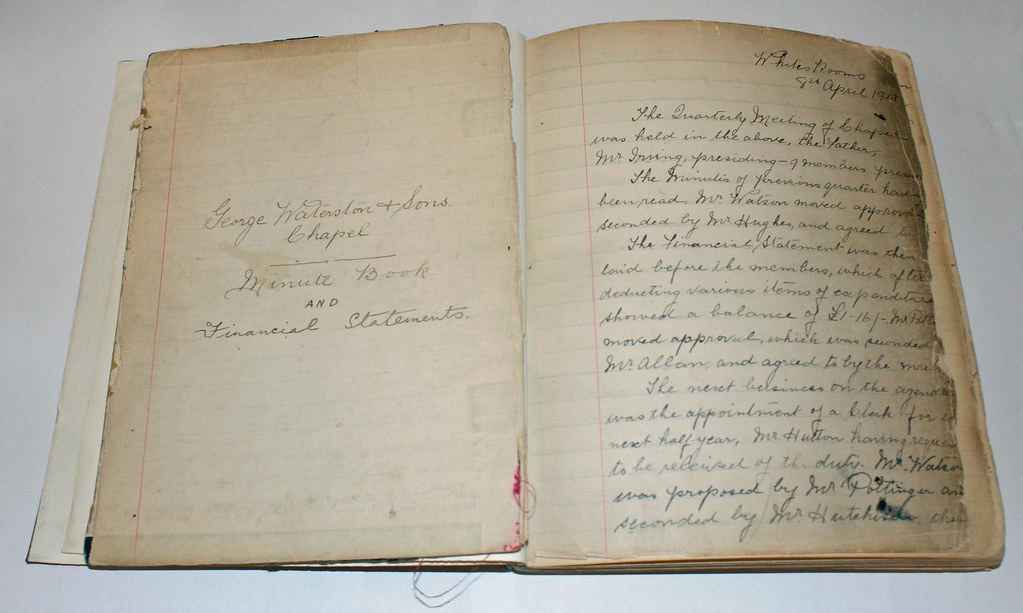
My dad wrote down every household expense for thirty-six years. I read his notebooks in one night and found things no column says.
I used to be the one honking
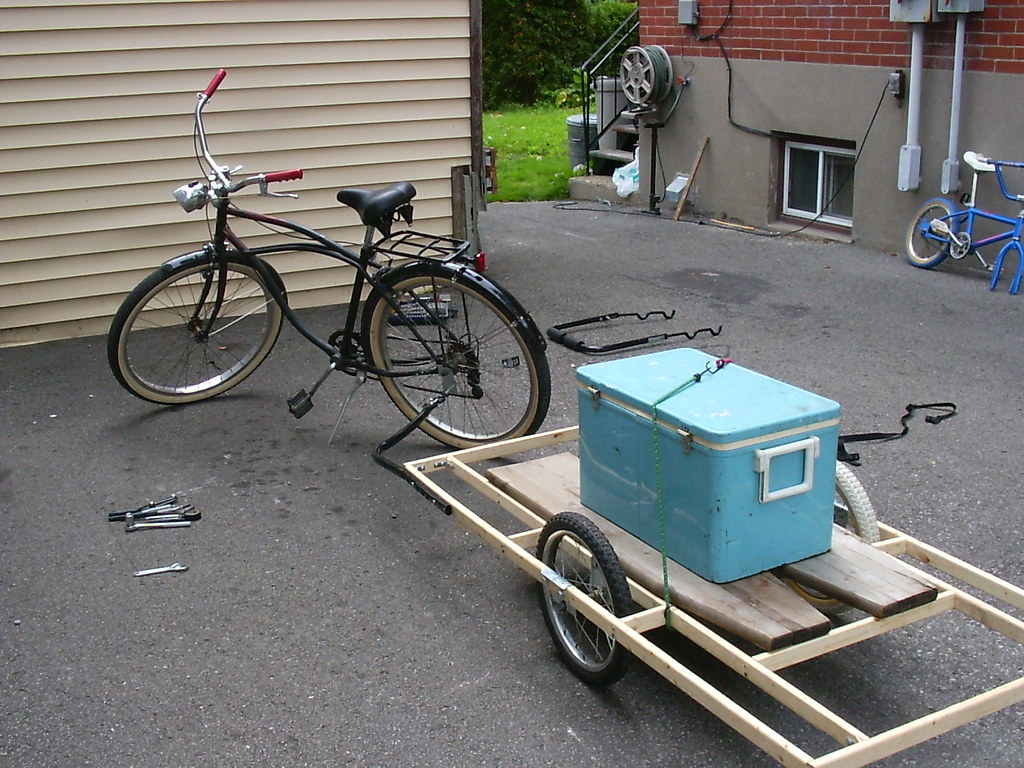
For years I honked at Guadalajara's car-free Sundays from behind the wheel. Then I dug a forgotten bike out of the garage and the city changed speed.