daughters · school · parents
Middle school chairs
Last night I went to Ximena's parent-teacher meeting. I sat in a chair built for a thirteen-year-old, the teacher called me "the baker," and her mom showed up late.
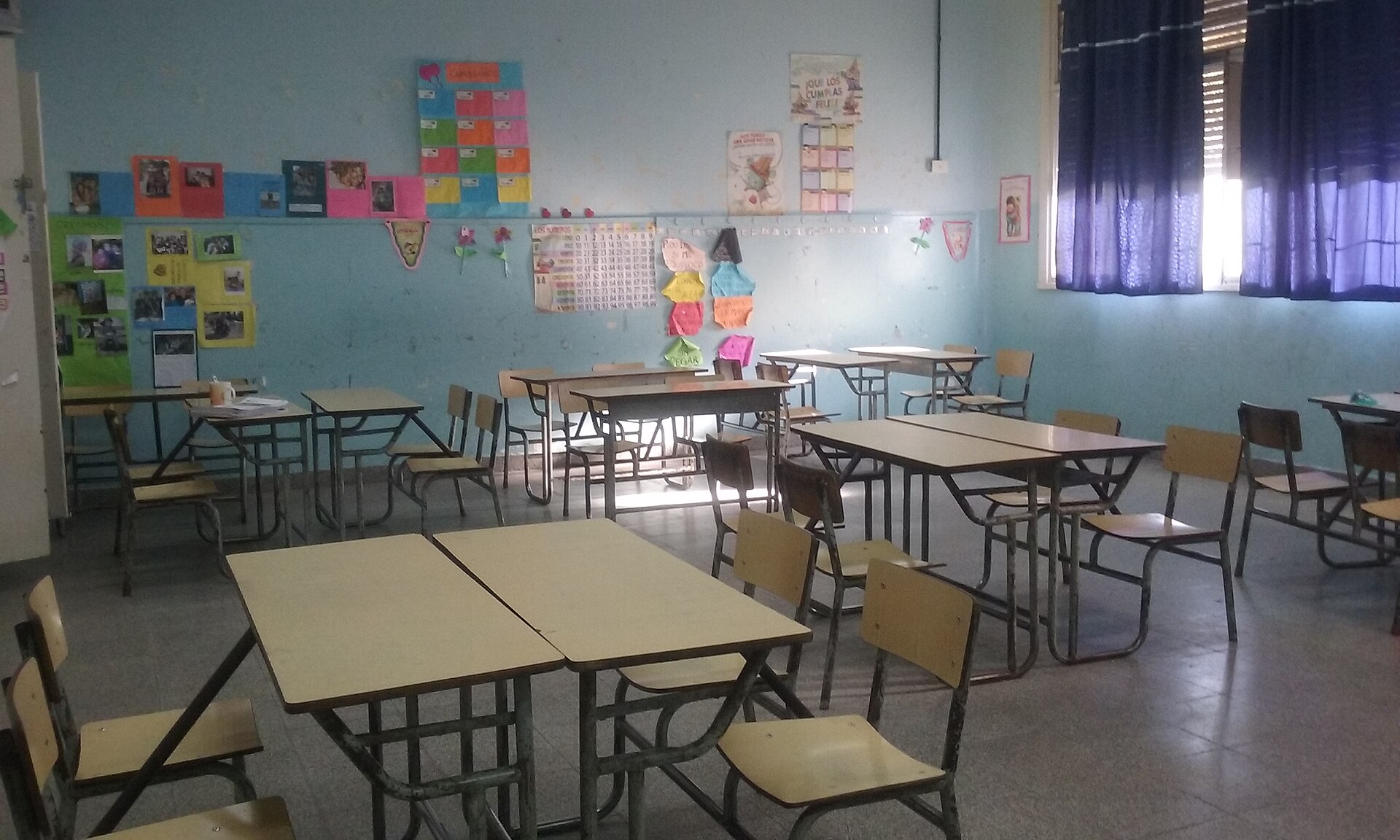
The notice landed on Friday in the "2°B Parents" WhatsApp group, which has forty-one members, three admins and a pinned rule at the top that says "SCHOOL MATTERS ONLY" in capital letters, a rule broken every single day before eight a.m. by prayer chains and photos of lost dogs. Report card meeting, Monday the 19th, seven p.m., room 14. Attendance mandatory for "at least one guardian."
At least one guardian. I read that phrase several times. For the first two years after the divorce, the girls' mom and I took turns going to these meetings, as if school also ran on one week on, one week off. It was easier. Nobody had to sit next to anybody. This year, without talking about it, we both started going to all of them. I don't know who started it. I think neither of us wanted to be the one who didn't show up.
Room 14
The girls are with me this week, so I left the office at six thirty and drove over with Ximena in the passenger seat telling me what not to ask. I wasn't to ask about the geography homework. I wasn't to ask about someone called Emiliano. And above all, I wasn't to tell anyone that the pan de muerto still looked like a starfish. She stayed in the car with Renata, who had offered to wait with her "just in case," something she had never done before and which I understood as an investment: she's already told me that next time she's driving us here.
Room 14 smells exactly like classrooms smelled in 1995: floor wax, markers, and a hint of the orange someone ate at recess. There's a bulletin board with the capitals of Europe and a sign that reads "Respect for the rights of others is peace," in letters someone cut out one by one. The chairs are the kind with the little desk attached on the right side, and they are built for thirteen-year-olds. I sat down as best I could. My knee ended up level with the desk and the desk level with my chest. Next to me, a dad in a dress shirt with a logistics company badge sat down just as badly, looked at me and said only "oof." It was the most honest conversation of the night.
Ximena sits in the third row, by the window. I know because her chair has her name written on the desk in correction fluid, with a huge X and the rest of the letters getting smaller and smaller, as if she'd had second thoughts halfway through. I moved to that chair. Nobody asked me to.
The baker
Ms. Araceli, the homeroom teacher, is young and talks fast, like someone who had already given this same meeting three times that afternoon. She took attendance by student surname. When she said "Méndez," I raised my hand, and she looked up from her sheet and smiled in a way that worried me. "Oh, you're the baker."
Thirty-odd parents turned to look at me. A woman across the room asked if I had a shop. I said no, I was an accountant. Her disappointment was visible, and then, once the accountant part sank in, something else was visible, because when the meeting ended she came over to ask whether it was true you could no longer deduct gas paid for in cash. You can't. I told her with the face I use for everything tax-related, which is the face of someone offering condolences.
The teacher explained the altar for the 30th: each family chips in fifty pesos for marigolds and papel picado, and "Ximena's dad has committed to the bread." Just like that, committed, as if I'd signed something. I thought about Thursday's starfish and the two practice runs I have left, and I said yes, happy to, in the voice of people who sign without reading.
The grades
The girls' mom arrived at seven twenty, hair still wet, with the face of someone who'd just sat through traffic on Lázaro Cárdenas. She saw me in the third row, in the chair with the big X, and sat in the one behind, which is Emiliano's, because his name was written on it in marker. We didn't say anything. I passed the report card back over my shoulder, which I'd already read twice, and she read it with the same attention she gives everything, moving her lips over the numbers.
Nine in math. Ten in art. Seven in geography, which explained the instructions in the car. And at the bottom, under comments, in the teacher's handwriting: "Participates a lot. Sometimes too much. Looks out for her classmates." Behind me I heard her laugh through her nose, a laugh I've known for twenty years and hadn't heard in a long time. I laughed too. For a moment we were two people sitting in chairs that were too small, reading the same sentence about the same girl, and nothing else was needed.
We walked out to the parking lot together. She told me Ximena talks about the bread all the time, that she's already explained to everyone at their house how to make the little bones, with three fingers, even though she has never made one. I told her neither have I. She said goodbye to the girls through the car window, told Renata to drive carefully even though she wasn't driving, and walked off to her car, two rows over.
On the way home, Ximena asked what they'd said. I told her the truth: that she participates too much. She answered "is that bad?" and I said I didn't know. Renata, from the back seat, said yes. Ximena turned up her K-pop.
This morning, when I came down to make coffee, there was a new Post-it on the fridge, under the one that says "Anise. Three fingers." and the one about the butter. It was Ximena's handwriting, with the same huge correction-fluid X: "I told them you can do it. It's 12."
Keep reading
I can't get the little bones right
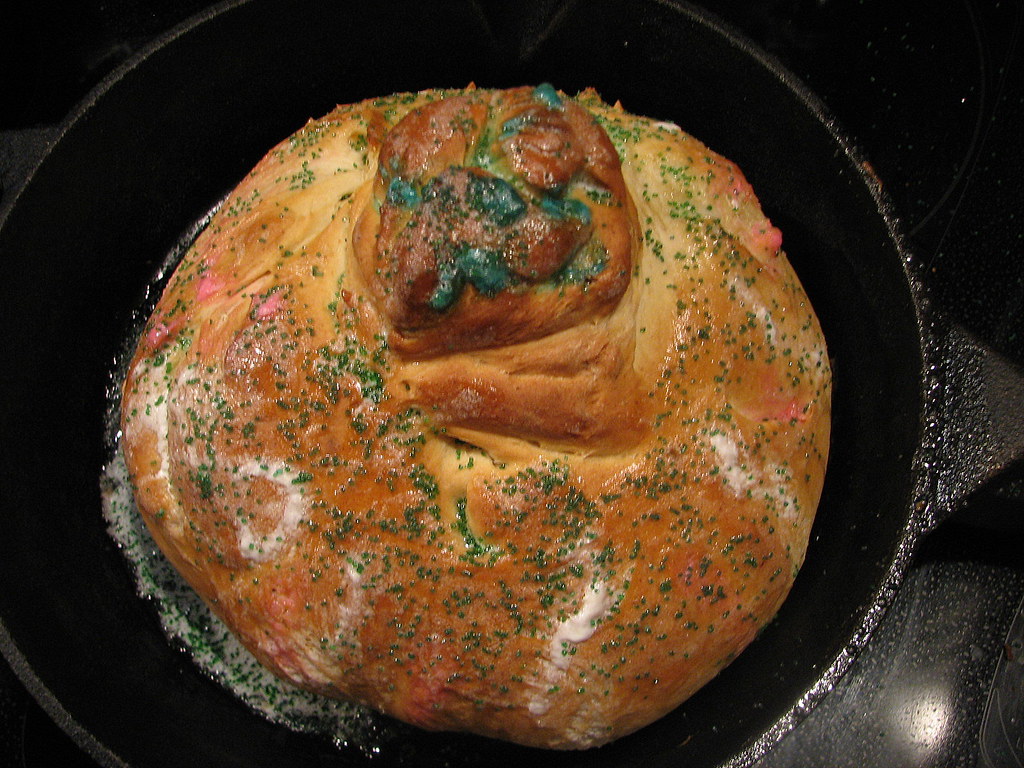
Ximena promised her school that her dad would bring pan de muerto for the altar. Her dad has never made pan de muerto. First attempt, Thursday night.

Don Cuco's receipts
It's the week of the 17th at the firm, and Don Cuco showed up late, like every month, with his shoebox full of receipts. This time he sat down to talk.

Eight kilometers at my mother's pace
Yesterday I walked the Romería with my mother and Lupe, like when my dad used to take us. We never reached the Basilica, and it mattered less than I thought.