daughters · books · home
Comala at the Kitchen Table
Renata has an essay due on Pedro Páramo. Last night we read it together in the kitchen, and I found out that at her age I never finished it.
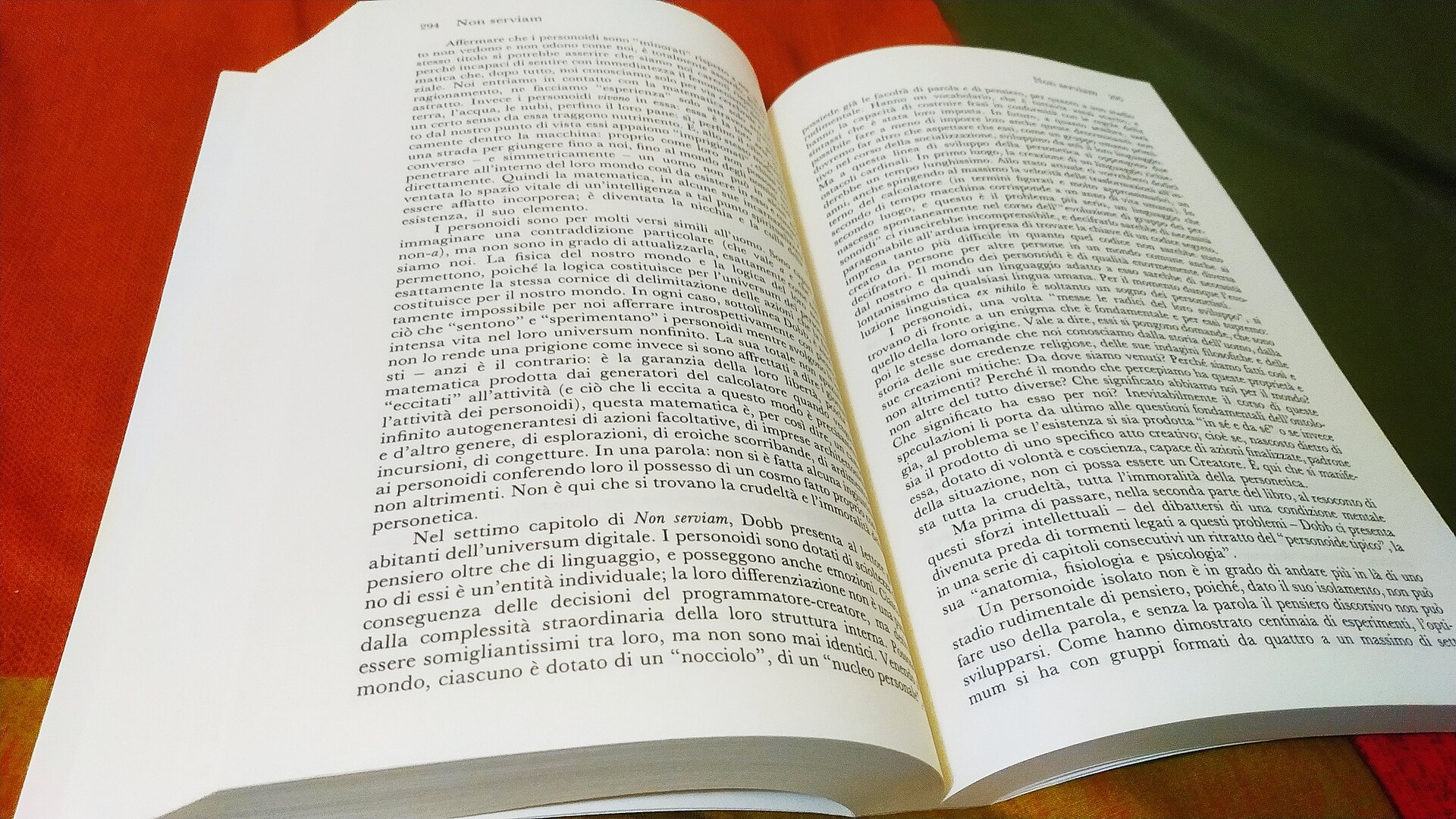
Renata has a two-page essay on Pedro Páramo due on Friday. I've known for a month, because I put it in the "Reading" line of this blog with a certain pride, like someone announcing they're going to run a marathon. What I didn't know is that she'd start it on Tuesday night at nine-thirty, with the face of someone who's just been told the marathon is tomorrow.
"Dad, did you read it?" she asked from the kitchen table. I said of course, in high school, and that it was one of the most important books in Mexico. She asked me to explain what it was about. I opened my mouth and realized I didn't have the faintest idea.
My copy
I've had my copy since 1999. It's the little Fondo de Cultura paperback, the one with the gray cover, the spine coming loose and my name on the first page in blue ink, with a signature I practiced a lot that year and never used again. I pulled it off the living room shelf, where it lives between a cost accounting manual and a guidebook to Mazamitla that someone left at the house and nobody ever came back for.
I opened it on the table next to Renata's, which is new, same publisher, identical cover, and already bristling with colored sticky tabs. Side by side they looked like the before and after in an ad.
The first pages of mine are underlined with a rigor I don't recognize in myself. "I came to Comala because I was told my father lived here, a man named Pedro Páramo," with a double line. Notes in the margin in my sixteen-year-old handwriting: "narrator = son," "who's talking here?", "dead people???". It goes on like that until page forty-something. And then nothing. Not one line, not one folded corner. The rest of the book is clean, as if nobody had ever been through there.
That's when it all came back. El Chino Ramírez, who sat behind me, and a one-page typewritten summary that went around the whole class, which I copied out in my own handwriting, changing a few words so it wouldn't show. I got an eight out of ten. El Chino got a nine, with the same summary. It has never seemed fair to me.
The murmurs
I confessed to Renata. Not the whole thing, but enough. She laughed with a delight I hadn't seen since I told her she could drive on a real street, and then, instead of asking me to leave, she said: "Then read it with me. Let's see if you make it this time."
So we read. She read out loud, I followed in my old copy with a pencil. I made coffee, even though it was late, because that's how important books get read in my head. Ximena came down twice: once for water and once to tell us she couldn't hear her show, even though she had headphones on. The second time she stayed in the kitchen doorway for a while, listening, and then left without a word, which from her is enormous praise.
The book is hard, I won't deny it. It switches voices without warning, the people talking are dead and nobody tells you until much later, and there's a moment when you realize the one telling the whole story is dead too, and has been for a while. Renata stopped right there, finger on the line, and said: "Wait. Him too?" I didn't know. I was reading it for the first time, at forty-four, at my kitchen table, at the same moment as my daughter. We both said "no way" almost in unison.
We passed page forty-something around ten-thirty. I noticed because the pencil suddenly started writing on clean pages. It gave me a strange feeling in my stomach, like walking for the first time into a room in your own house.
What the son was looking for
At a quarter past eleven Renata said she had her topic. She's going to write about children who go looking for their parents, and how sometimes what they find is a whole town instead of a person. She said it just like that, without much decoration, while she put away her tabs. I asked where she got that and she said from the book, Dad, obviously, with the patience they use on me when I ask something about their phones.
I didn't tell her that I've spent a month reading my father's notebooks like someone who shows up in a town asking after a man, or that those notebooks also have voices you can't place until much later. There was no need. Besides, it was her essay, not mine. Mine I copied in 1999.
She went to bed. I stayed up. I washed both cups, fed Doña Chayo, closed the window because the nights have started getting properly cold, and sat back down with my copy. I finished it at ten past one. I won't say how it ends, in case El Chino Ramírez reads this.
This morning Renata took her book to school and left mine on the table, open to the last page, with one of her yellow tabs stuck in the margin, right where my pencil marks, after twenty-seven years, finally arrived.
Keep reading
Middle school chairs
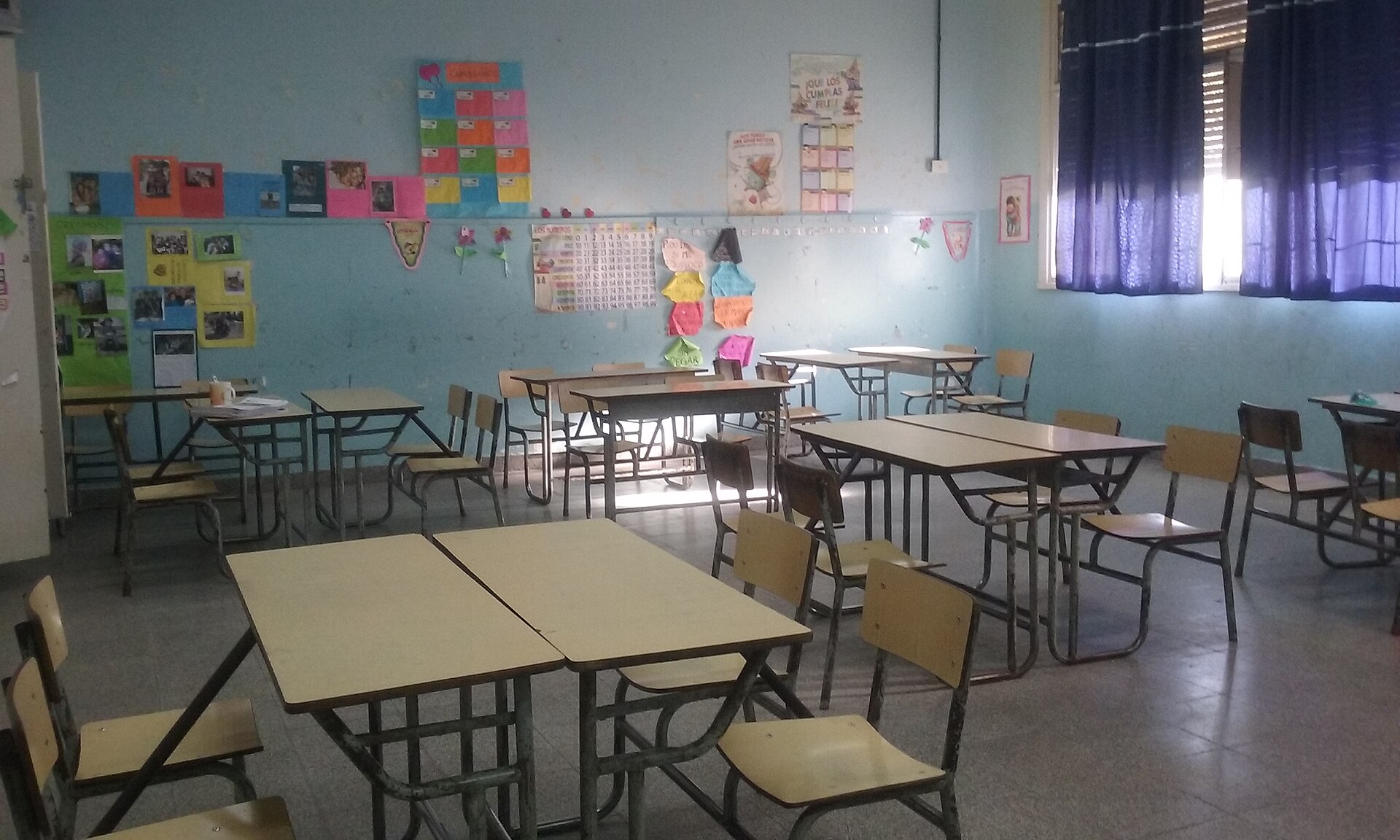
Last night I went to Ximena's parent-teacher meeting. I sat in a chair built for a thirteen-year-old, the teacher called me "the baker," and her mom showed up late.
I can't get the little bones right
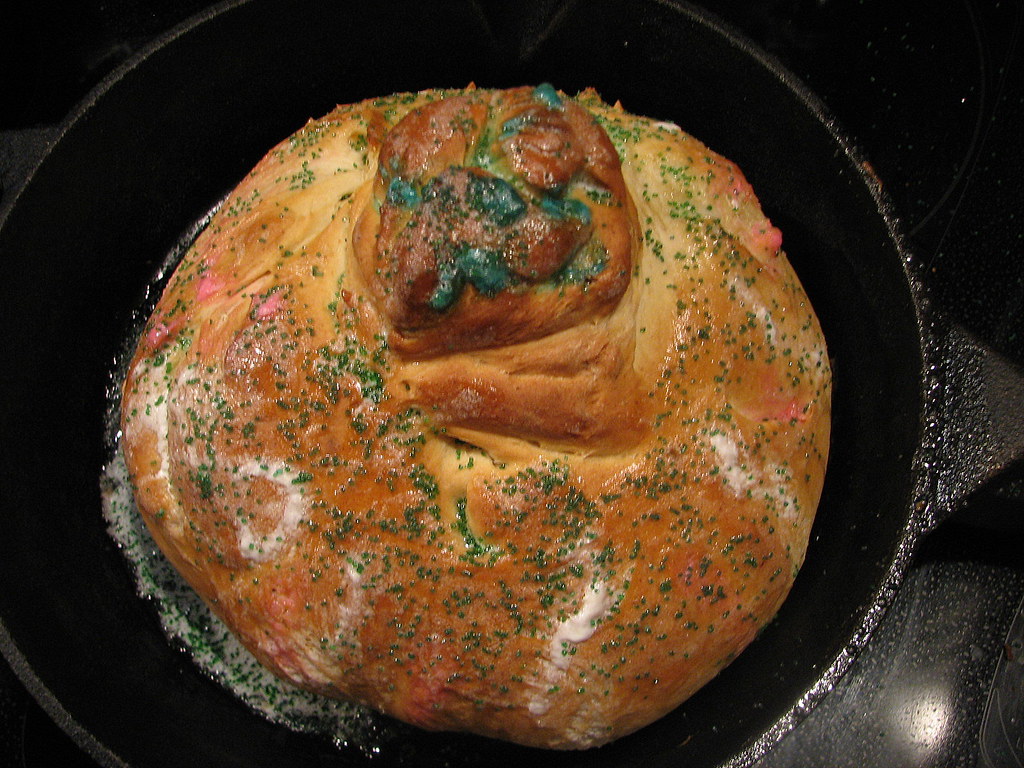
Ximena promised her school that her dad would bring pan de muerto for the altar. Her dad has never made pan de muerto. First attempt, Thursday night.

Don Cuco's receipts
It's the week of the 17th at the firm, and Don Cuco showed up late, like every month, with his shoebox full of receipts. This time he sat down to talk.